


Blogs
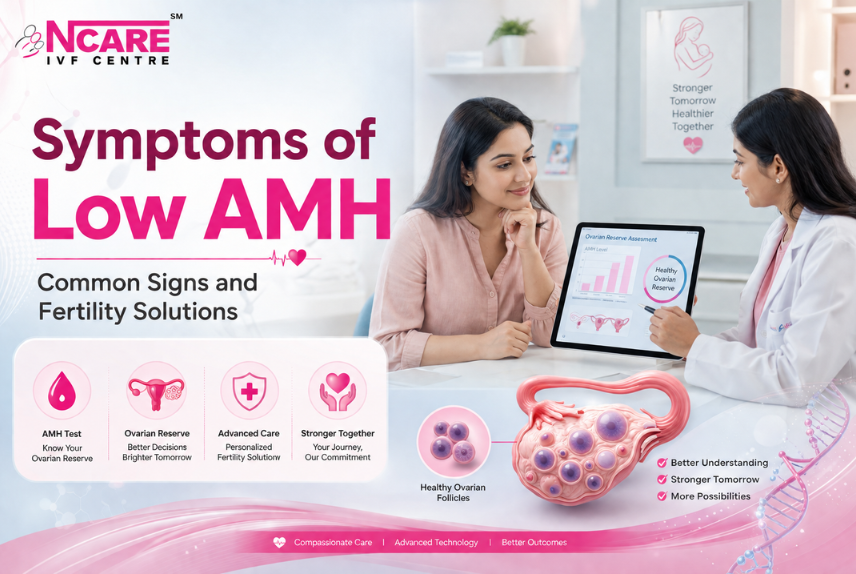
Symptoms of Low AMH: Common Signs and Fertility Solutions
Planning a family is an exciting journey, but fertility challenges can make the process difficult for some women. One important factor that affects female fertility is the level of Anti-Müllerian Hormone (AMH), a hormone produced by the small follicles in the ovaries. AMH helps doctors assess ovarian reserve, which indicates the number of eggs remaining in the ovaries. Understanding the Symptoms of Low AMH can help women seek early medical advice, receive timely treatment, and improve their chances of conception.
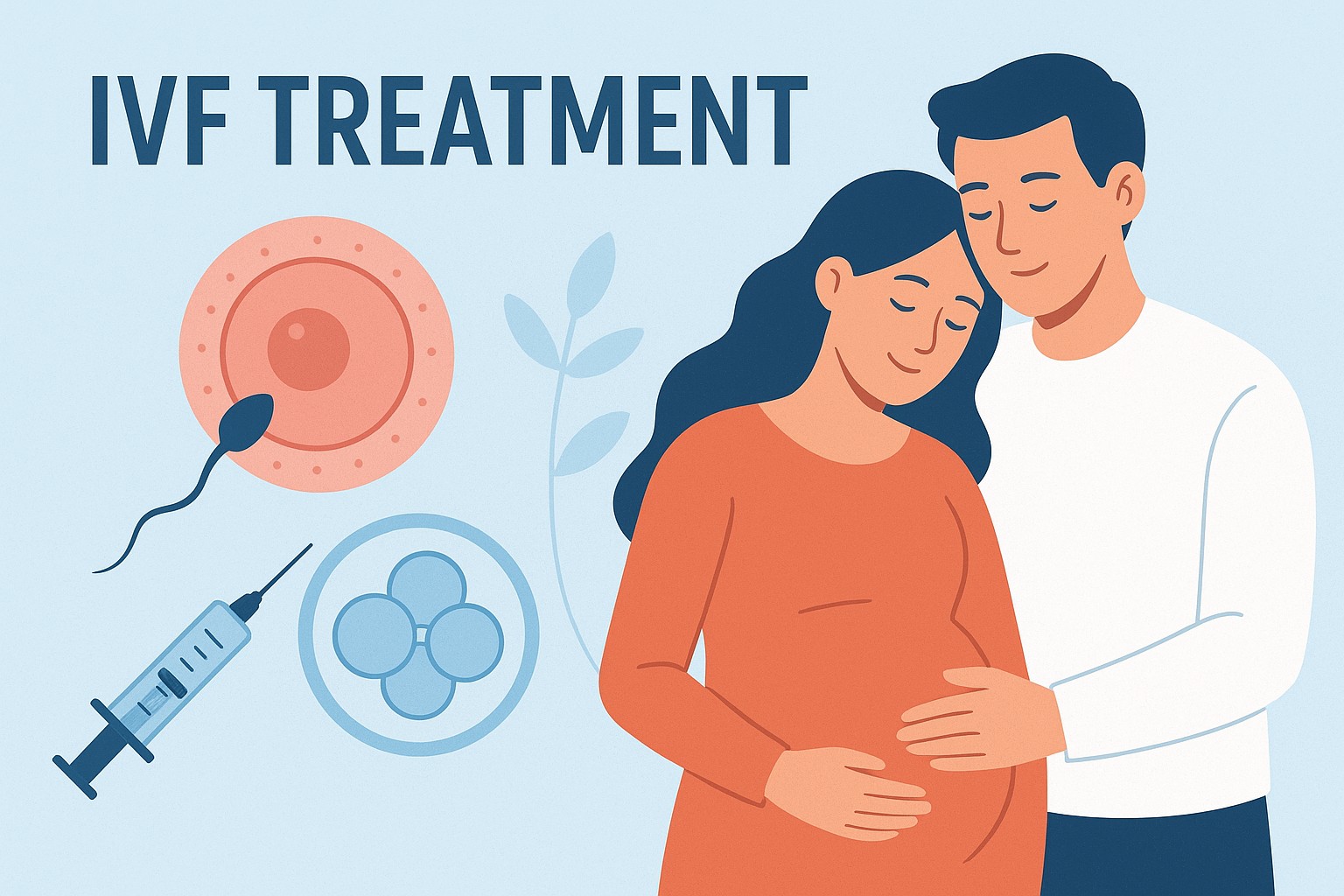
If you are considering IVF Treatment in Kannur, your fertility specialist may recommend an AMH test along with other fertility investigations to evaluate your reproductive health. Early diagnosis allows doctors to create a personalized treatment plan based on your fertility needs.
This blog explores the Symptoms of Low AMH, its causes, diagnosis, treatment options, and lifestyle changes that can support your fertility journey.
What Is AMH?
Anti-Müllerian Hormone (AMH) is produced by the granulosa cells of developing ovarian follicles. It is one of the most reliable indicators of ovarian reserve because its levels remain relatively stable throughout the menstrual cycle.
Although AMH helps estimate the number of eggs available, it does not measure egg quality. Therefore, age, overall health, and other fertility factors are also important when evaluating a woman's ability to conceive.
What Does Low AMH Mean?
Low AMH means that the ovarian reserve is lower than expected for a woman's age. It does not necessarily mean pregnancy is impossible, but it may indicate reduced fertility potential.
Many women with low AMH conceive naturally, while others benefit from fertility treatments. Doctors evaluate AMH levels together with age, menstrual history, ultrasound findings, hormone levels, and overall medical history before recommending treatment.
Symptoms of Low AMH
Many women experience no obvious symptoms until they start trying to conceive. However, some common signs include:
1. Difficulty Getting Pregnant
One of the most common Symptoms of Low AMH is taking longer than expected to become pregnant despite regular unprotected intercourse.
2. Irregular Menstrual Cycles
Some women may experience:
- 1. Shorter or longer menstrual cycles
- 2. Missed periods
- 3. Irregular ovulation
Although irregular periods do not always indicate low AMH, they should be evaluated by a doctor.
3. Reduced Ovarian Reserve
As ovarian reserve declines, fewer eggs mature each month. This naturally occurs with age but may happen earlier because of medical or genetic factors.
4. Poor Response to Fertility Medication
Women undergoing fertility treatment may produce fewer mature eggs during ovarian stimulation, which often leads to further fertility evaluation.
5. Early Menopause
Women with significantly reduced ovarian reserve may experience menopause earlier than expected, with symptoms such as hot flashes, night sweats, mood changes, and vaginal dryness.
Causes of Low AMH
Several factors can contribute to reduced AMH levels.
- Age: Age is the most common cause. Women are born with a fixed number of eggs, and this number gradually decreases over time, particularly after the age of 35.
- Genetics: A family history of early menopause may increase the likelihood of lower ovarian reserve at a younger age.
- Ovarian Surgery: Surgery for ovarian cysts or endometriosis can reduce healthy ovarian tissue and lower AMH levels.
- Cancer Treatment: Chemotherapy and radiation therapy may damage ovarian follicles, reducing ovarian reserve.
- Autoimmune Disorders: Certain autoimmune conditions may affect ovarian function and contribute to premature ovarian insufficiency.
- Endometriosis: Moderate to severe endometriosis can negatively affect ovarian reserve, especially after surgical treatment.
Who Is at Risk?
You may have a higher risk of low AMH if you have:
- 1. Age above 35
- 2. Family history of early menopause
- 3. Endometriosis
- 4. Previous ovarian surgery
- 5. Cancer treatment history
- 6. Autoimmune disorders
- 7. Smoking habit
- 8. Delayed pregnancy planning
Early fertility evaluation helps identify potential issues before ovarian reserve declines further.
How Is Low AMH Diagnosed?
Doctors usually recommend several tests to evaluate ovarian reserve.
AMH Blood Test
This blood test measures Anti-Müllerian Hormone levels and can be performed on almost any day of the menstrual cycle.
Antral Follicle Count (AFC)
A transvaginal ultrasound measures the number of small follicles in the ovaries and complements the AMH test.
Additional Hormone Tests
Doctors may also check:
- 1. FSH
- 2. LH
- 3. Estradiol
- 4. Thyroid hormones
- 5. Prolactin
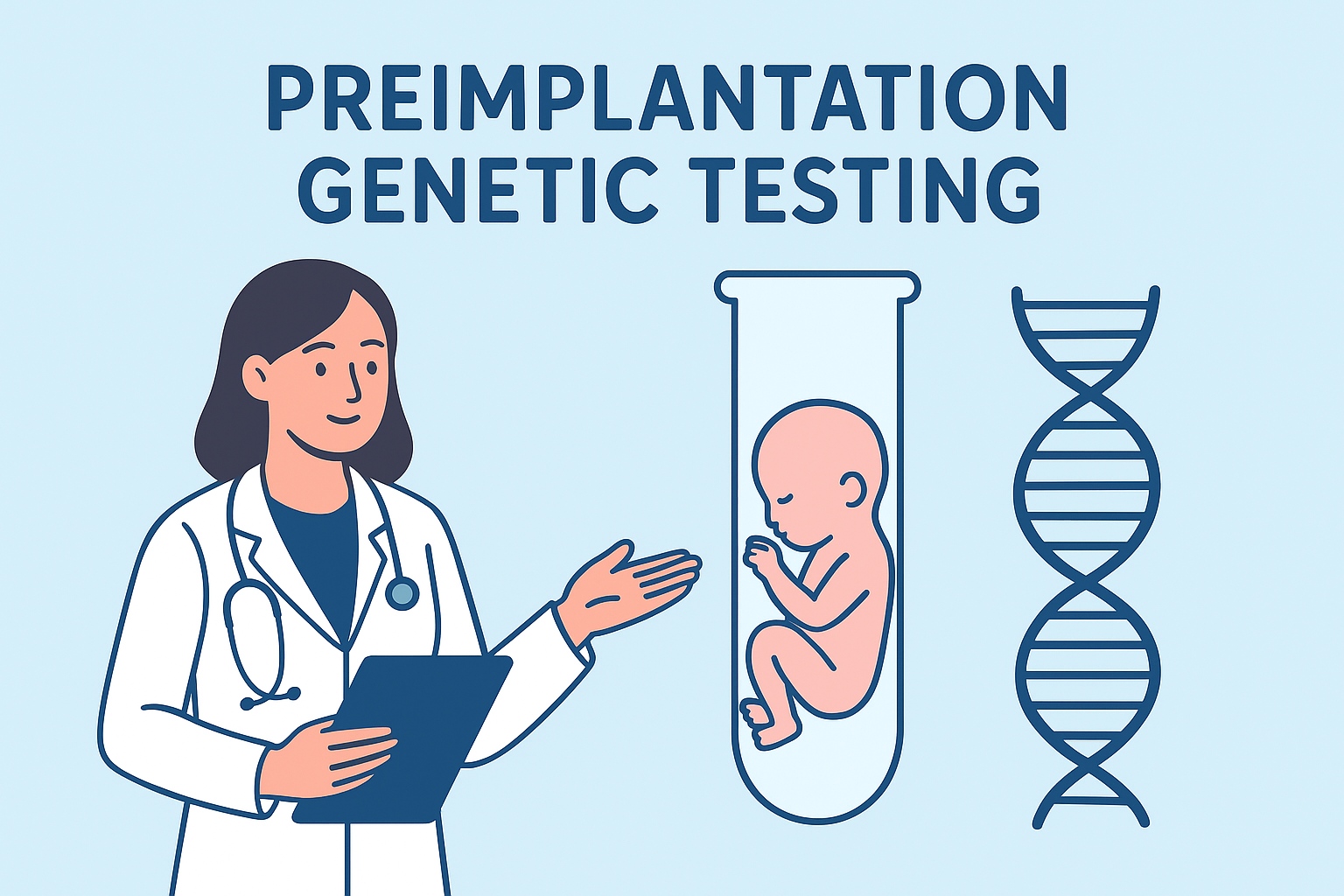
Some couples undergoing advanced fertility treatment may also be advised to consider Preimplantation Genetic Testing to reduce the risk of certain inherited genetic conditions.
Treatment Options
Treatment depends on age, ovarian reserve, overall reproductive health, and fertility goals. Some women conceive naturally, while others benefit from medical treatment.
Ovulation Induction
Ovulation Induction Treatment may help stimulate egg release in women with ovulation disorders.
IUI
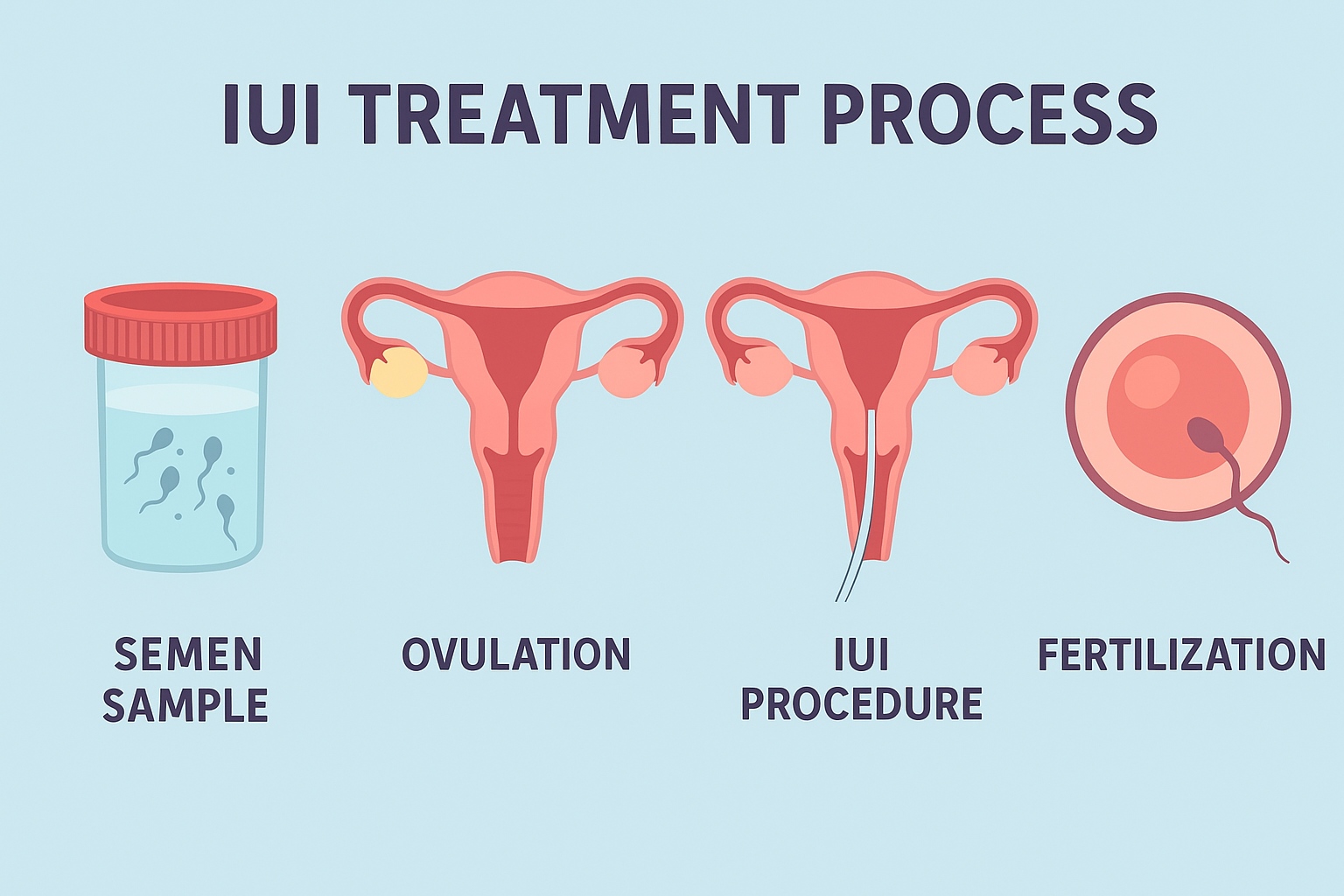
The IUI Treatment Process involves placing specially prepared sperm directly into the uterus during ovulation. It may be suitable for selected couples with mild infertility.
IVF
Women with significantly reduced ovarian reserve may benefit from IVF Treatment in Kerala, where eggs are retrieved, fertilized in the laboratory, and transferred into the uterus. Although fewer eggs may be retrieved, successful pregnancy is still possible with individualized treatment.
Lifestyle Changes That Support Fertility
Although lifestyle changes cannot increase AMH levels, they can improve overall reproductive health and support your fertility journey.
- Eat a Healthy Diet: A balanced diet rich in fruits, vegetables, whole grains, lean protein, nuts, seeds, and healthy fats provides essential nutrients for hormone balance and egg health. Maintaining a healthy weight also improves fertility.
- Exercise Regularly: Moderate exercise such as walking, swimming, or yoga improves blood circulation, reduces stress, and supports hormonal balance. However, excessive exercise should be avoided as it may affect ovulation.
- Manage Stress: Fertility challenges can be emotionally overwhelming. Practicing meditation, deep breathing, or mindfulness can help reduce stress. Talking to family members, friends, or fertility counselors also provides emotional support.
- Avoid Smoking and Alcohol: Smoking accelerates the loss of ovarian follicles and may reduce fertility. Limiting alcohol and maintaining a healthy lifestyle can positively influence reproductive health.
Does Low AMH Always Mean IVF?
No. Low AMH alone does not mean you need IVF. Your fertility specialist will evaluate several factors before recommending treatment, including:
- 1. Your age
- 2. Duration of infertility
- 3. Ovulation pattern
- 4. Egg reserve
- 5. Fallopian tube health
- 6. Uterine condition
- 7. Male partner's fertility
Many women conceive naturally, while others achieve pregnancy with ovulation induction or IUI before IVF is considered.
Low AMH and PCOS
Women with polycystic ovary syndrome usually have higher AMH levels. However, some women may develop low ovarian reserve because of age, ovarian surgery, or other medical conditions. Women undergoing PCOS fertility treatment should receive an individualized fertility assessment since treatment varies from person to person.
Choosing the Right Fertility Clinic
Selecting an experienced fertility specialist is one of the most important decisions during your fertility journey.
Look for a clinic that offers:
- 1. Experienced fertility specialists
- 2. Advanced laboratory facilities
- 3. Modern diagnostic equipment
- 4. Personalized treatment plans
- 5. Transparent communication
- 6. Comprehensive patient care
Many couples choose a trusted Fertility Center that provides complete fertility evaluation, treatment, and pregnancy care under one roof.
If you are researching treatment options, comparing the services offered by the Best IVF Clinics can help you make an informed decision. Likewise, choosing the Best IVF Hospital in Kerala ensures access to experienced specialists and advanced reproductive technology.
If you are planning treatment, consulting an experienced IVF centre in Kerala can help you understand the most suitable fertility options based on your individual condition.
Questions to Ask Your Fertility Specialist
Preparing questions before your consultation helps you better understand your diagnosis and treatment plan.
Some useful Questions Before Starting IVF include:
- 1. What do my AMH results indicate?
- 2. Which fertility treatment is right for me?
- 3. What are my chances of pregnancy?
- 4. How many treatment cycles might I need?
- 5. Should I make any lifestyle changes?
- 6. Are additional fertility tests required?
For women who have conceived through IVF, an IVF Pregnancy Calculator can help estimate pregnancy milestones based on embryo transfer dates, although regular medical follow-up remains essential.
Women with a history of Recurrent Pregnancy Loss may also require additional investigations and closer monitoring to identify possible causes and improve pregnancy outcomes.
Conclusion
Understanding the Symptoms of Low AMH is the first step toward protecting your fertility and making informed reproductive decisions. Although low AMH indicates a reduced ovarian reserve, it does not mean pregnancy is impossible. Many women conceive naturally, while others achieve successful pregnancies with personalized fertility treatments.
Early diagnosis, timely medical consultation, and an individualized treatment plan can significantly improve your chances of becoming pregnant. Whether you require lifestyle modifications, ovulation induction, IUI, or IVF, seeking expert guidance at the right time can make a meaningful difference in your fertility journey.
Frequently Asked Questions (FAQs)
1. What are the common Symptoms of Low AMH?
Common symptoms include difficulty conceiving, irregular menstrual cycles, reduced ovarian reserve, poor response to fertility medications, and in some cases, early menopause.
2. Can I get pregnant naturally with low AMH?
Yes. Many women with low AMH conceive naturally. Fertility depends on several factors, including age, egg quality, and overall reproductive health.
3. How is low AMH diagnosed?
Low AMH is diagnosed through an AMH blood test, along with an antral follicle count (AFC) ultrasound and additional hormone tests.
4. Can low AMH be treated?
Although AMH levels cannot usually be increased, fertility treatments such as ovulation induction, IUI, and IVF can improve the chances of pregnancy.
5. Does low AMH always require IVF?
No. Many women become pregnant naturally or with less invasive fertility treatments. IVF is recommended only when it offers the best chance of success.
Recent Blogs
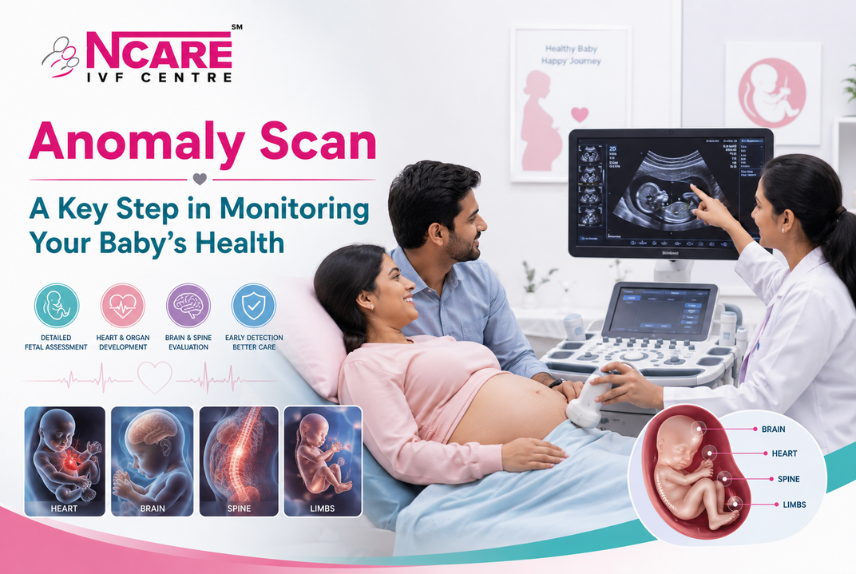
Anomaly Scan: A Key Step in Monitoring Your Baby’s Health
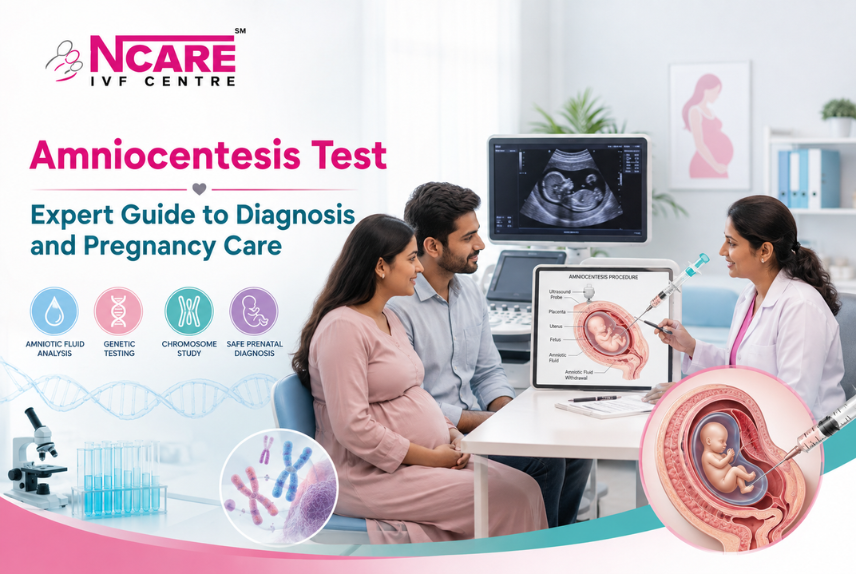
Amniocentesis Test: Expert Guide to Diagnosis and Pregnancy Care
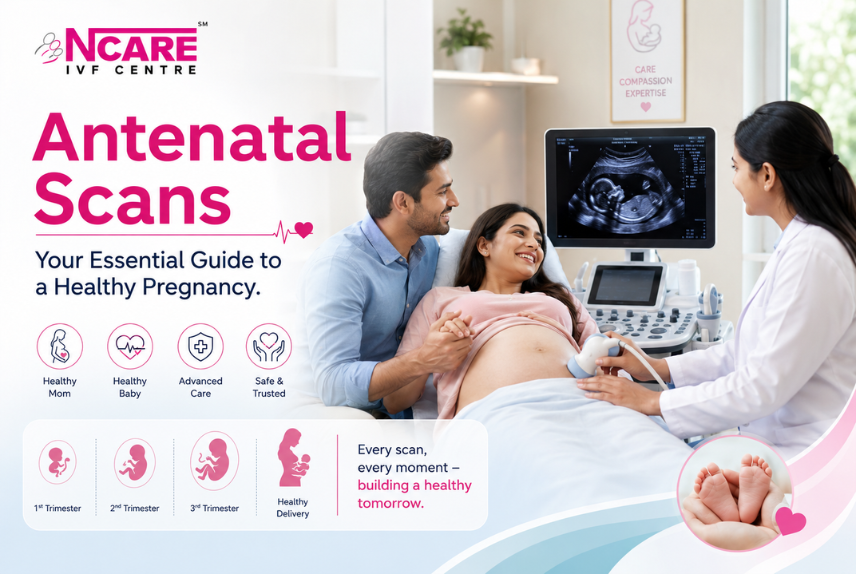
Antenatal Scans: Complete Guide to Types, Importance, Safety & Pregnancy Care

Aneuploidy Screening: Complete Guide to Testing, Procedure, Cost & Pregnancy Care

Egg Freezing Process: Complete Step-by-Step Guide for Women in 2026

PCOS Fertility Treatment: How to Overcome Infertility with PCOS
IVF Pregnancy Calculator Free – Instant Results & Easy to Use
Recurrent Pregnancy Loss: Causes, Tests & Best Treatment Options (2026 Guide)

IVF Do’s and Don’ts for Higher Success Rates | Best IVF Clinics Guide

Best IVF Hospital in Kerala: IVF, IUI & Advanced Fertility Care
What Is Ovulation Induction Treatment?

How to Choose the Right Fertility Center in Kerala for Your Parenthood Journey

Best IVF Treatment in Kerala: Affordable, Advanced & Trusted Care

Best IVF Centre in Kerala – How to Choose the Right Fertility Clinic
Top IVF Questions & Answers — A Trusted Guide
IVF Treatment in Kannur - Why NCARE IVF Is a Trusted Name in Fertility Care
How Reliable is Preimplantation Genetic Testing in 2025
Best Guide To The IUI Treatment Process For First-Time Patients

Book Appointment
To reach out to our NCareHospital Team, please fill in the below form.
Our team members will revert back to you shortly.
Copyright © NCare IVF