


Blogs
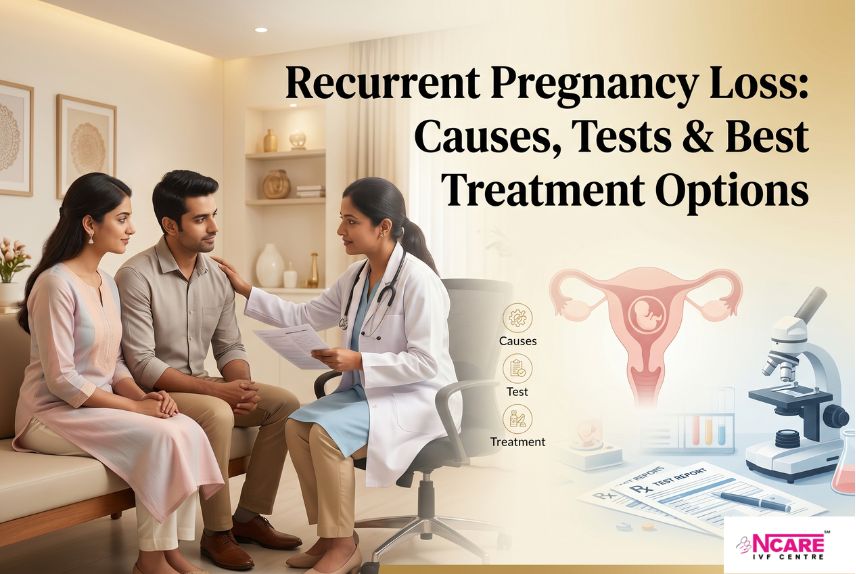
Recurrent Pregnancy Loss: Causes, Tests & Best Treatment Options (2026 Guide)
Experiencing a miscarriage is heartbreaking. But when pregnancy loss happens repeatedly, the emotional and physical toll becomes overwhelming. Recurrent Pregnancy Loss (RPL) is a complex reproductive condition that affects thousands of couples every year. With advancements in reproductive medicine, understanding the causes and seeking treatment from a specialized Fertility Center or Best IVF Clinics can significantly improve the chances of a successful pregnancy.
In this complete 2026 guide, we explain everything you need to know about Recurrent Pregnancy Loss, including causes, diagnostic tests, treatment options, success rates, and how choosing the right IVF Hospital in Kerala or elsewhere can make a difference.
What Is Recurrent Pregnancy Loss?
Recurrent Pregnancy Loss is typically defined as two or more consecutive pregnancy losses before 20 weeks of gestation. Earlier medical definitions required three losses, but modern reproductive guidelines now recommend evaluation after two miscarriages.
While a single miscarriage is common and usually does not indicate infertility, repeated losses require a thorough medical evaluation.
Key Statistics on Recurrent Pregnancy Loss
- Around 15–20% of clinically recognized pregnancies end in miscarriage.
- Approximately 1–2% of couples experience Recurrent Pregnancy Loss.
- Nearly 50% of early miscarriages occur due to chromosomal abnormalities.
- About 40–50% of RPL cases remain unexplained, even after detailed testing.
- With proper treatment, 60–70% of couples with RPL can achieve a successful pregnancy.
These numbers show that while recurrent pregnancy loss is distressing, it is treatable in many cases.
Major Causes of Recurrent Pregnancy Loss
Understanding the root cause of Recurrent Pregnancy Loss is essential for selecting the right treatment. RPL may result from one or a combination of the following factors:
1. Genetic and Chromosomal Abnormalities
Chromosomal abnormalities are the most common cause of early pregnancy loss. These abnormalities may occur randomly in the embryo or may be inherited from one parent who carries a balanced chromosomal rearrangement.
- Translocations
- Aneuploidy (extra or missing chromosomes)
- Mosaicism
In such cases, advanced reproductive techniques available at the Best IVF Clinics can help identify healthy embryos before implantation.
2. Uterine Structural Problems
Abnormalities in the uterus can prevent proper implantation or restrict fetal growth.
Common structural causes include:
- Uterine septum
- Fibroids
- Polyps
- Scar tissue (Asherman’s syndrome)
- Congenital uterine malformations
These conditions can often be corrected through minor surgical procedures.
3. Hormonal and Endocrine Disorders
Hormonal imbalance plays a significant role in maintaining pregnancy.
Common endocrine causes:
- Thyroid disorders
- Polycystic Ovary Syndrome (PCOS)
- Uncontrolled diabetes
- Low progesterone levels
- Luteal phase defects
A specialized Fertility Center performs comprehensive hormone panels to identify these issues early.
4. Autoimmune and Blood Clotting Disorders
Certain immune system abnormalities may cause the body to attack pregnancy tissues or increase blood clot formation in the placenta.
Common conditions:
- Antiphospholipid Syndrome (APS)
- Thrombophilia
- Lupus-related antibodies
Women diagnosed with APS often benefit from blood-thinning medications during pregnancy.
5. Male Factor Issues
In some cases, sperm quality plays a role in Recurrent Pregnancy Loss.
- High sperm DNA fragmentation
- Genetic mutations
- Poor sperm morphology
Advanced semen analysis at Best IVF Clinics can detect such issues.
6. Lifestyle and Environmental Factors
Certain lifestyle habits may increase miscarriage risk:
- Smoking
- Excessive alcohol intake
- Obesity
- Severe stress
- Exposure to toxins
While lifestyle changes alone may not resolve RPL, they significantly improve overall fertility outcomes.
Diagnostic Tests for Recurrent Pregnancy Loss
Accurate diagnosis is the foundation of effective treatment. A modern Fertility Center or IVF Hospital in Kerala typically recommends the following evaluations:
Comprehensive Testing Table
| Category | Test Name | Purpose |
|---|---|---|
| Genetic | Parental Karyotyping | Detect chromosomal abnormalities |
| Genetic | PGT-A (during IVF) | Select genetically healthy embryos |
| Uterine | 3D Ultrasound | Detect structural defects |
| Uterine | Hysteroscopy | Direct visualization of the uterine cavity |
| Hormonal | Thyroid Profile | Identify thyroid imbalance |
| Hormonal | Progesterone Test | Assess luteal phase support |
| Immune | APS Panel | Detect clotting disorders |
| Male Factor | Sperm DNA Fragmentation | Assess sperm genetic integrity |
Early testing significantly increases the chance of successful treatment planning.
Best Treatment Options for Recurrent Pregnancy Loss
Treatment for Recurrent Pregnancy Loss depends entirely on the underlying cause.
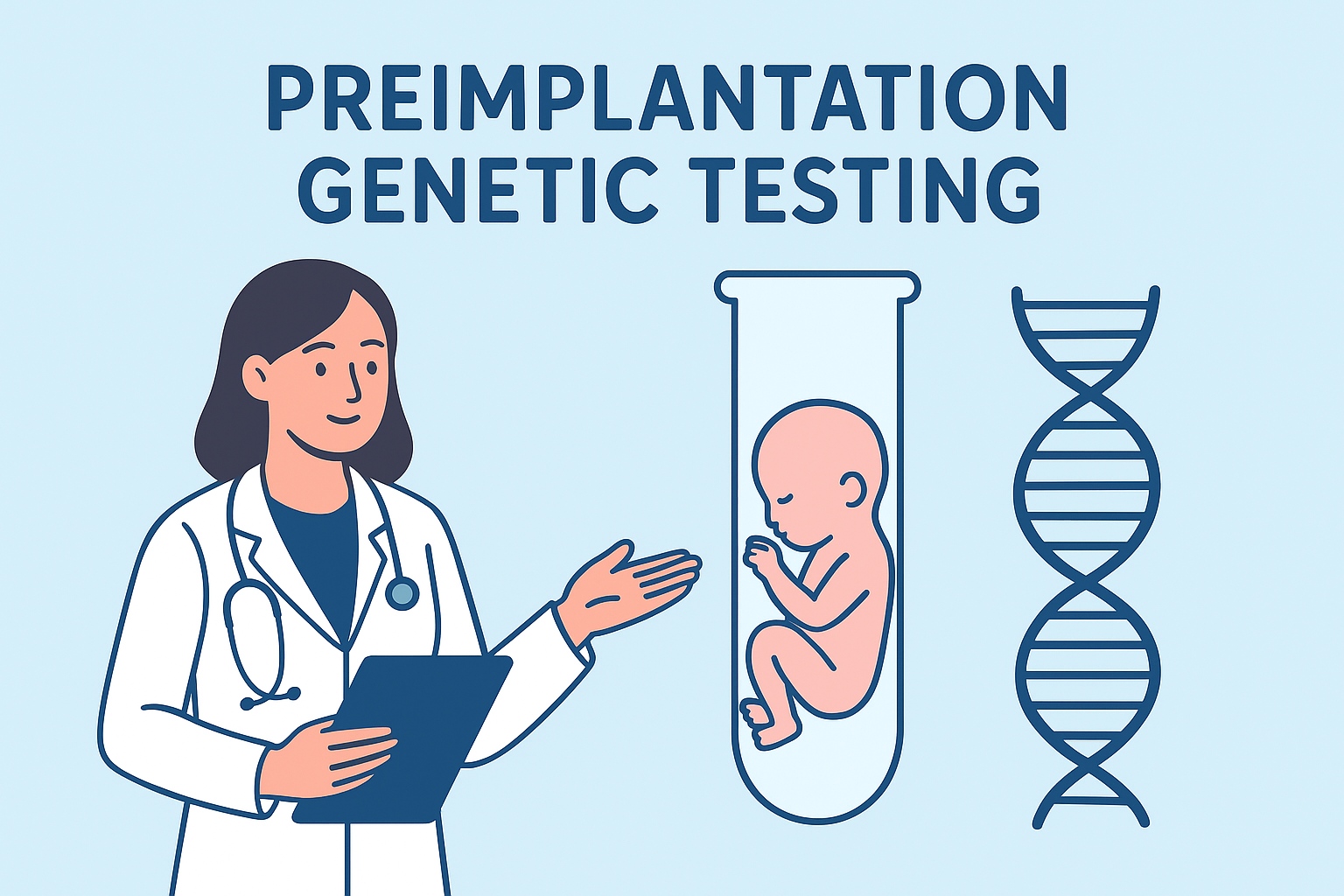
1. IVF with Preimplantation Genetic Testing (PGT-A)
For couples with chromosomal abnormalities, IVF combined with genetic testing helps select healthy embryos before transfer.
Benefits include:
- Reduced miscarriage rates
- Improved implantation success
- Higher live birth rates
This advanced technique is commonly offered at the Best IVF Clinics and leading IVF Hospital in Kerala.
2. Surgical Correction of Uterine Abnormalities
If structural issues are identified, minimally invasive surgery can correct:
- Uterine septum
- Fibroids
- Adhesions
Post-surgery, pregnancy success rates significantly improve.
3. Hormonal Therapy
If a hormonal imbalance is detected, doctors may prescribe:
- Progesterone supplements
- Thyroid medications
- Insulin-regulating drugs (for PCOS or diabetes)
Proper hormone balance supports early pregnancy development.
4. Blood Thinners and Immune Therapy
For women diagnosed with clotting disorders:
- Low-dose aspirin
- Heparin injections
These medications improve placental blood flow and reduce miscarriage risk.
5. Lifestyle and Nutritional Management
Doctors often recommend:
- Maintaining a healthy BMI
- Balanced fertility diet
- Stress reduction techniques
- Avoiding tobacco and alcohol
These improvements enhance overall reproductive health.
Success Rates After Treatment
One of the most important questions couples ask is:
“Can we still have a healthy baby?”
The answer is yes — in most cases.
Success Data Overview
| Scenario | Estimated Live Birth Rate |
|---|---|
| Unexplained RPL (with monitoring) | 60–70% |
| IVF with PGT-A | 65–75% |
| After uterine surgery | 70–80% |
| APS treated with blood thinners | 70%+ |
These numbers show that early diagnosis and treatment at a reputable Fertility Center can dramatically improve outcomes.
Why Choose a Specialized Fertility Center?
Managing Recurrent Pregnancy Loss requires expertise, technology, and emotional support.
- Advanced laboratory facilities
- Reproductive endocrinologists
- Genetic counseling
- Psychological support
- Personalized care plans
IVF Hospital in Kerala – A Growing Destination for Fertility Care
Kerala has become a recognized hub for advanced fertility treatments in India. Choosing an IVF Hospital in Kerala offers several advantages:
- Experienced fertility specialists
- Affordable IVF packages
- Advanced genetic testing facilities
- High success rates
- International patient support
Many couples travel to Kerala specifically for recurrent pregnancy loss management due to high-quality care and modern reproductive technologies.
Emotional Impact of Recurrent Pregnancy Loss
Beyond physical causes, Recurrent Pregnancy Loss deeply affects mental health.
- Anxiety
- Depression
- Relationship stress
- Fear of future pregnancy
The best fertility programs integrate emotional counseling as part of treatment. Support groups and professional guidance play a crucial role in recovery.
When Should You See a Fertility Specialist?
- You have experienced two or more miscarriages
- You are over 35 years old
- You have known thyroid, PCOS, or autoimmune conditions
- You have irregular menstrual cycles
- You have difficulty conceiving
Early intervention increases the likelihood of success.
Final Thoughts
Recurrent Pregnancy Loss can feel devastating, but it is not the end of your journey toward parenthood. With modern medical advancements, most couples can achieve a healthy pregnancy.
Choosing the right Fertility Center, consulting experienced specialists at the Best IVF Clinics, or seeking treatment at a trusted IVF Hospital in Kerala can significantly improve your chances.
If you are struggling with repeated pregnancy loss, don’t delay evaluation. Early testing, personalized treatment, and emotional support can transform your fertility journey and bring hope back into your life.
Frequently Asked Questions (FAQs) About Recurrent Pregnancy Loss
1. What is Recurrent Pregnancy Loss?
Recurrent Pregnancy Loss is defined as two or more consecutive miscarriages before 20 weeks of pregnancy. While a single miscarriage is common, repeated losses require detailed medical evaluation at a specialized Fertility Center to identify the underlying cause and improve future pregnancy outcomes.
2. How common is Recurrent Pregnancy Loss?
Approximately 1–2% of couples experience Recurrent Pregnancy Loss. Although miscarriages are relatively common, repeated losses are less frequent and often linked to genetic, hormonal, immune, or structural factors.
3. What are the main causes of Recurrent Pregnancy Loss?
The most common causes include:
- Chromosomal abnormalities
- Uterine structural issues
- Thyroid or hormonal imbalance
- Antiphospholipid Syndrome (APS)
- Sperm DNA fragmentation
- Unexplained causes (in nearly 40–50% of cases)
A detailed evaluation at one of the Best IVF Clinics can help determine the exact reason.
4. When should I see a fertility specialist for Recurrent Pregnancy Loss?
You should consult a specialist if:
- You have had two or more miscarriages
- You are above 35 years of age
- You have known medical conditions like thyroid disorders or PCOS
- You have difficulty conceiving after a miscarriage
Early consultation at an experienced IVF Hospital in Kerala or a reputed fertility clinic in Kannur can significantly improve your chances of success.
5. Can Recurrent Pregnancy Loss be treated?
Yes. In many cases, Recurrent Pregnancy Loss is treatable. Treatment depends on the underlying cause and may include:
- IVF with Preimplantation Genetic Testing (PGT-A)
- Hormonal therapy
- Blood-thinning medications
- Surgical correction of uterine abnormalities
- Lifestyle modifications
With appropriate treatment, up to 60–70% of couples can achieve a successful live birth.
Recent Blogs
Anomaly Scan: A Key Step in Monitoring Your Baby’s Health
Amniocentesis Test: Expert Guide to Diagnosis and Pregnancy Care
Symptoms of Low AMH: Common Signs and Fertility Solutions
Antenatal Scans: Complete Guide to Types, Importance, Safety & Pregnancy Care

Aneuploidy Screening: Complete Guide to Testing, Procedure, Cost & Pregnancy Care

Egg Freezing Process: Complete Step-by-Step Guide for Women in 2026
PCOS Fertility Treatment: How to Overcome Infertility with PCOS
IVF Pregnancy Calculator Free – Instant Results & Easy to Use

IVF Do’s and Don’ts for Higher Success Rates | Best IVF Clinics Guide

Best IVF Hospital in Kerala: IVF, IUI & Advanced Fertility Care
What Is Ovulation Induction Treatment?

How to Choose the Right Fertility Center in Kerala for Your Parenthood Journey

Best IVF Treatment in Kerala: Affordable, Advanced & Trusted Care

Best IVF Centre in Kerala – How to Choose the Right Fertility Clinic
Top IVF Questions & Answers — A Trusted Guide
IVF Treatment in Kannur - Why NCARE IVF Is a Trusted Name in Fertility Care
How Reliable is Preimplantation Genetic Testing in 2025
Best Guide To The IUI Treatment Process For First-Time Patients

Book Appointment
To reach out to our NCareHospital Team, please fill in the below form.
Our team members will revert back to you shortly.
Copyright © NCare IVF