


Blogs
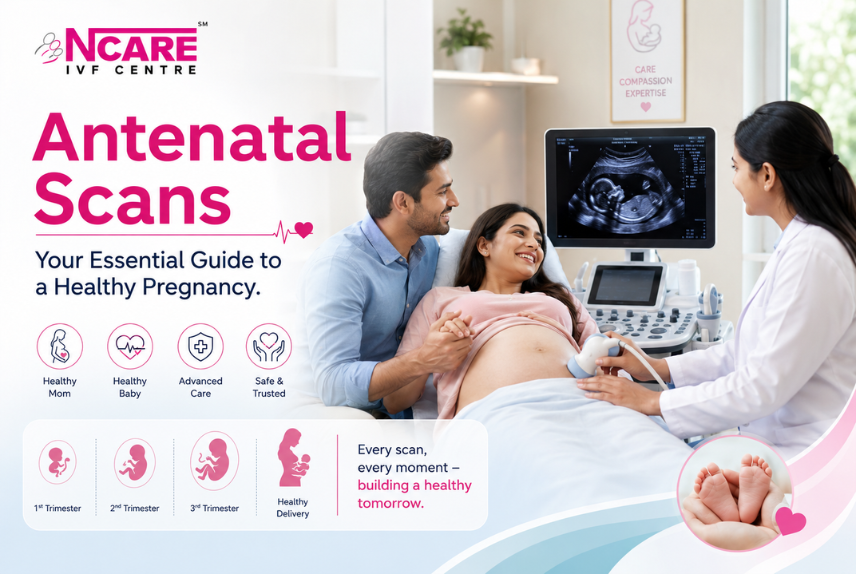
Antenatal Scans: Complete Guide to Types, Importance, Safety & Pregnancy Care
Pregnancy is one of the most exciting and life-changing journeys in a person's life. From the moment you discover you are expecting, every milestone becomes meaningful, and every decision contributes to your baby's health and well-being. Among the many important aspects of prenatal care, Antenatal Scans play a vital role in monitoring both maternal health and fetal development. These scans provide valuable insights into your baby's growth, identify potential concerns early, and help healthcare professionals ensure that your pregnancy progresses safely.
Regular prenatal care is essential because every pregnancy is unique. If you are receiving fertility care, such as IVF Treatment in Kannur, antenatal monitoring becomes even more significant because pregnancies achieved through assisted reproductive techniques often require closer observation during the early stages. Regardless of how pregnancy begins, routine prenatal care remains the foundation of a healthy pregnancy.
This blog will explore the importance of antenatal scans, the different types performed during pregnancy, their benefits, what to expect during each scan, and how they help ensure the health of both mother and baby.
What Are Antenatal Scans?
Antenatal Scans are ultrasound examinations performed at different stages of pregnancy to evaluate the health and development of the baby and the mother. Ultrasound technology uses high-frequency sound waves to create images without exposing either the mother or baby to harmful radiation.
Doctors recommend these scans because they provide detailed information that cannot be obtained through physical examination alone. They help determine the baby's position, estimate growth, assess organ development, monitor amniotic fluid, evaluate the placenta, and detect certain congenital abnormalities.
These scans are painless, non-invasive, and considered safe when performed by trained healthcare professionals.
Why Are Antenatal Scans Important?
Pregnancy is a dynamic process where both mother and baby undergo continuous changes. Monitoring these changes ensures that appropriate care can be provided whenever necessary.
The primary benefits include:
- 1. Confirming pregnancy viability
- 2. Determining the baby's due date accurately
- 3. Monitoring fetal growth
- 4. Detecting multiple pregnancies
- 5. Assessing placental position
- 6. Measuring amniotic fluid levels
- 7. Identifying structural abnormalities
- 8. Monitoring fetal movements
- 9. Planning appropriate delivery methods
- 10. Providing reassurance to expecting parents
Most importantly, early detection allows doctors to recommend timely interventions whenever complications arise.
Types of Antenatal Scans During Pregnancy
Different scans are performed during different stages because each stage provides unique information about fetal development.
1. Early Pregnancy Scan (6–10 Weeks)
The first ultrasound is usually performed during the first trimester. Its primary objective is to confirm pregnancy and determine whether the embryo is developing normally.
During this scan, doctors evaluate:
- 1. Gestational sac
- 2. Fetal heartbeat
- 3. Number of embryos
- 4. Pregnancy location
- 5. Gestational age
This scan also helps identify ectopic pregnancy and other early complications that require immediate medical attention.
2. Dating Scan (10–14 Weeks)
One of the most accurate methods of estimating the baby's due date is through the dating scan.
During this examination, the sonographer measures the crown-rump length, allowing healthcare providers to estimate gestational age more precisely than relying solely on menstrual history.
This scan forms the basis for scheduling future prenatal tests and monitoring fetal development.
3. Nuchal Translucency Scan
Performed between 11 and 14 weeks, this specialized ultrasound measures the fluid behind the baby's neck.
Combined with blood tests, it helps estimate the risk of chromosomal abnormalities.
In certain pregnancies, doctors may also recommend Preimplantation Genetic Testing before embryo transfer during fertility treatment, which complements prenatal screening by identifying specific genetic conditions before pregnancy begins.
4. Second Trimester Anomaly Scan
Usually performed between 18 and 22 weeks, this is one of the most comprehensive ultrasound examinations during pregnancy.
The anomaly scan carefully evaluates:
- 1. Brain
- 2. Heart
- 3. Spine
- 4. Kidneys
- 5. Stomach
- 6. Limbs
- 7. Face
- 8. Placenta
- 9. Umbilical cord
Doctors carefully examine every major organ to ensure normal development.
Parents often consider this the most exciting scan because they can clearly see their growing baby moving, stretching, and sometimes even smiling.
5. Growth Scans During Pregnancy
As pregnancy progresses, fetal growth becomes increasingly important.
Antenatal Scans performed during the third trimester help evaluate:
- 1. Estimated fetal weight
- 2. Growth rate
- 3. Placental function
- 4. Blood flow
- 5. Amniotic fluid levels
- 6. Baby's position
These findings help obstetricians decide whether pregnancy is progressing normally or requires closer monitoring.
Growth scans become particularly valuable for mothers with diabetes, hypertension, previous pregnancy complications, or advanced maternal age.
How Safe Are Antenatal Scans?
Many first-time parents worry about the safety of ultrasound examinations.
Fortunately, decades of medical research have shown that diagnostic ultrasound is considered safe when performed appropriately. Unlike X-rays, ultrasound does not involve ionizing radiation.
Healthcare providers recommend only medically necessary scans and follow international safety guidelines to minimize exposure while obtaining accurate diagnostic information.
Because of this excellent safety profile, ultrasound has become a standard component of prenatal care across the world.
Preparing for Your Scan
Preparation depends on the stage of pregnancy. For early pregnancy scans, you may be asked to arrive with a comfortably full bladder because it helps improve image quality.
Before your appointment:
- 1. Wear comfortable clothing.
- 2. Carry previous medical reports.
- 3. Bring earlier ultrasound reports.
- 4. Stay hydrated.
- 5. Arrive on time.
Being well prepared allows the examination to proceed smoothly and ensures your doctor has all the necessary information to interpret the results accurately.
Understanding Your Scan Results
Receiving an ultrasound report can sometimes feel overwhelming because it contains several medical terms and measurements. However, it is important to remember that these reports are designed for healthcare professionals to assess your pregnancy accurately. Your obstetrician will explain each finding and discuss whether your baby's development is progressing as expected.
Some of the common measurements included in a scan report are:
- 1. Biparietal Diameter (BPD)
- 2. Head Circumference (HC)
- 3. Abdominal Circumference (AC)
- 4. Femur Length (FL)
- 5. Estimated Fetal Weight (EFW)
- 6. Fetal Heart Rate (FHR)
- 7. Placental Position
- 8. Amniotic Fluid Index (AFI)
These values help doctors compare your baby's growth with standard pregnancy milestones. Minor variations are often completely normal, as every baby develops at a slightly different pace.
When Additional Scans May Be Recommended
Although most pregnancies follow a routine schedule of ultrasounds, some mothers require additional monitoring. Extra scans do not necessarily indicate a problem. Instead, they allow doctors to closely observe the pregnancy and provide timely care whenever needed.
Your doctor may advise more frequent scans if you have:
- 1. High blood pressure
- 2. Gestational diabetes
- 3. Thyroid disorders
- 4. Previous pregnancy complications
- 5. Multiple pregnancy (twins or triplets)
- 6. Placental abnormalities
- 7. Reduced fetal movements
- 8. Growth concerns
- 9. Advanced maternal age
These additional assessments help ensure both mother and baby remain healthy throughout pregnancy.
Common Conditions That Can Be Identified Early
Modern ultrasound technology has significantly improved the early detection of pregnancy-related conditions. Identifying these concerns at an early stage allows healthcare providers to create an appropriate treatment and monitoring plan.
Some conditions that may be detected include:
- Placenta Previa: This occurs when the placenta covers part or all of the cervix. Regular monitoring helps determine whether the placenta moves upward as pregnancy progresses or if delivery planning needs adjustment.
- Low Amniotic Fluid: A reduced amount of amniotic fluid may affect fetal growth and movement. Early diagnosis allows doctors to monitor the pregnancy more closely.
- Excess Amniotic Fluid: Too much amniotic fluid can sometimes indicate maternal or fetal conditions that require further evaluation.
- Fetal Growth Restriction: Some babies grow more slowly than expected. Growth monitoring helps determine whether the baby is receiving adequate nutrients and oxygen through the placenta.
- Congenital Structural Abnormalities: The anomaly scan carefully evaluates major organs, helping doctors identify structural concerns that may require specialist care before or after birth.
The Role of Antenatal Scans in High-Risk Pregnancies
Not every pregnancy carries the same level of risk. Some women require additional medical attention because of existing health conditions or previous pregnancy experiences.
For high-risk pregnancies, Antenatal Scans become an essential part of ongoing prenatal care. Frequent monitoring helps doctors observe fetal growth, placental function, and blood circulation while making timely decisions that support the health of both mother and baby.
Women with heart disease, hypertension, diabetes, autoimmune disorders, or kidney disease often benefit from individualized scan schedules.
Similarly, women who have experienced Recurrent Pregnancy Loss may receive more frequent monitoring during the first and second trimesters to provide reassurance and ensure the pregnancy progresses normally.
Pregnancy After Fertility Treatment
Many couples achieve parenthood with the help of assisted reproductive techniques. Although these pregnancies often progress normally, they may require closer monitoring during the early weeks.
Women who undergo IVF Treatment in Kerala generally receive carefully scheduled ultrasound examinations to confirm implantation, monitor fetal heartbeat, and assess early fetal development.
Likewise, pregnancies following the IUI Treatment Process also benefit from routine prenatal scans that ensure healthy development from the earliest stages.
Regardless of the method of conception, every pregnancy deserves personalized care based on individual medical history.
How Ultrasound Supports Better Pregnancy Outcomes
Early diagnosis is one of the greatest advantages of prenatal imaging. By identifying concerns before symptoms appear, healthcare providers can intervene promptly and reduce potential risks.
Ultrasound examinations help doctors:
- 1. Monitor fetal well-being
- 2. Assess placental health
- 3. Detect complications early
- 4. Plan appropriate delivery methods
- 5. Evaluate fetal position
- 6. Monitor blood flow through the umbilical cord
- 7. Track fetal growth patterns
These benefits contribute significantly to improved maternal and newborn outcomes.
Lifestyle Habits That Support a Healthy Pregnancy
Although ultrasound scans monitor your baby's progress, maintaining a healthy lifestyle remains equally important.
Consider these healthy habits throughout pregnancy:
- Eat a Balanced Diet: Include fruits, vegetables, whole grains, lean proteins, dairy products, healthy fats, and iron-rich foods to support fetal growth.
- Stay Hydrated: Adequate water intake supports circulation, digestion, and amniotic fluid levels.
- Exercise Safely: Gentle activities such as walking, prenatal yoga, and stretching improve circulation, reduce stress, and enhance overall well-being.
- Attend Every Prenatal Appointment: Regular medical visits allow healthcare providers to monitor your pregnancy and address concerns before they become serious.
- Follow Medical Advice: Always take prescribed supplements, including folic acid, calcium, and iron, according to your doctor's recommendations.
Choosing the Right Healthcare Provider
The quality of prenatal care depends greatly on the experience of your healthcare team. Choosing an experienced hospital with advanced ultrasound facilities ensures accurate diagnosis and comprehensive maternal care.
Many families prefer an experienced Fertility Center that offers integrated obstetric, fetal medicine, neonatal, and diagnostic services under one roof. This coordinated approach improves continuity of care throughout pregnancy.
Similarly, women searching for the Best IVF Hospital in Kerala often consider hospitals that provide both fertility treatment and comprehensive prenatal services, ensuring expert care from conception through childbirth.
Patients also compare the services offered by Best IVF Clinics, looking for experienced specialists, advanced technology, and personalized pregnancy support.
Questions You Should Ask During Your Ultrasound Appointment
Open communication with your healthcare provider helps you understand your pregnancy better.
Consider asking:
- 1. Is my baby's growth appropriate for this stage?
- 2. Is the placenta functioning normally?
- 3. Are the baby's organs developing well?
- 4. Is my amniotic fluid level normal?
- 5. Is my baby's heartbeat healthy?
- 6. Do I require additional monitoring?
- 7. What should I expect before my next appointment?
For couples beginning fertility care, discussing common Questions Before Starting IVF with a fertility specialist can also provide clarity before treatment begins.
When Should You Contact Your Doctor?
Although most pregnancies progress normally, certain symptoms require immediate medical attention.
Contact your healthcare provider if you experience:
- 1. Heavy vaginal bleeding
- 2. Severe abdominal pain
- 3. Persistent headaches
- 4. Blurred vision
- 5. High fever
- 6. Sudden swelling of the face or hands
- 7. Leakage of fluid
- 8. Reduced fetal movements after the recommended gestational age
- 9. Regular contractions before full term
Seeking prompt medical care helps ensure the best possible outcome for both mother and baby.
Pregnancy Care After Fertility Treatment
Women who conceive through fertility treatments often receive individualized prenatal care based on their medical history. Depending on the underlying cause of infertility, doctors may recommend additional monitoring throughout pregnancy.
For example, women who previously underwent ovulation induction treatment may have early ultrasound examinations to confirm successful implantation and monitor fetal development. Likewise, patients receiving PCOS fertility treatment often benefit from close prenatal follow-up because polycystic ovary syndrome can increase the risk of certain pregnancy-related complications.
Some expectant parents also find tools like an IVF pregnancy calculator helpful for estimating pregnancy milestones after assisted conception. While these calculators provide useful guidance, routine medical evaluations remain the most reliable way to monitor your baby's progress.
If you are planning fertility care, selecting an experienced IVF center in Kerala with comprehensive maternal care services can provide continuity from conception through delivery.
Conclusion
Pregnancy is a remarkable journey filled with excitement, anticipation, and countless memorable moments. Throughout this journey, Antenatal Scans serve as an essential tool for monitoring your baby's growth, assessing maternal health, and identifying potential concerns at the earliest possible stage. From confirming pregnancy in the first trimester to evaluating fetal development and growth later in pregnancy, these scans provide valuable information that supports informed medical decisions.
By attending every scheduled appointment, following your doctor's advice, and understanding the purpose of each scan, you can approach pregnancy with greater confidence and peace of mind. Antenatal Scans not only help doctors monitor your baby's development but also allow parents to witness the incredible journey of new life before birth, making each milestone even more meaningful.
Frequently Asked Questions (FAQs) About Antenatal Scans
1. What are Antenatal Scans, and why are they important?
Antenatal Scans are ultrasound examinations performed during pregnancy to monitor your baby's growth, check fetal development, evaluate the placenta, and detect any potential complications early. They help ensure both mother and baby remain healthy throughout pregnancy.
2. How many ultrasound scans are usually recommended during pregnancy?
Most uncomplicated pregnancies include three major ultrasound scans: an early dating scan, a nuchal translucency scan, and a detailed anomaly scan. Additional scans may be recommended depending on your medical condition or pregnancy progress.
3. Are ultrasound scans safe for my baby?
Yes. Diagnostic ultrasound has been used safely for many decades. It uses sound waves instead of radiation, making it a safe and non-invasive method for monitoring pregnancy when performed by qualified healthcare professionals.
4. Can Antenatal Scans detect birth defects?
Many structural abnormalities can be identified during the detailed anomaly scan performed between 18 and 22 weeks of pregnancy. However, not every condition can be detected before birth, and additional tests may sometimes be recommended.
5. Do I need a full bladder before my ultrasound scan?
A full bladder is usually recommended during early pregnancy scans because it helps improve image clarity. Later pregnancy scans generally do not require a full bladder, but you should always follow the instructions provided by your healthcare provider.
Recent Blogs

How to Avoid Ectopic Pregnancy: Expert Tips for a Healthy Pregnancy

How to Track Ovulation: Simple Ways to Find Your Fertile Days
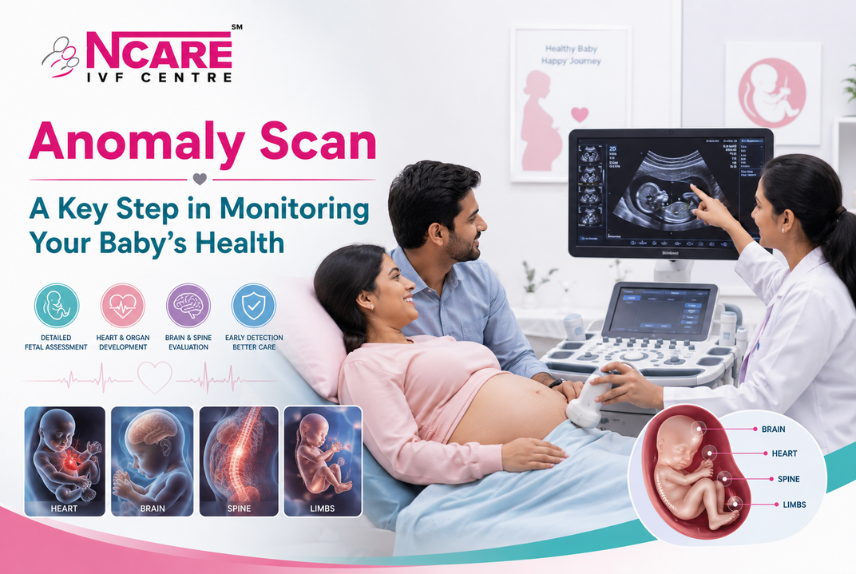
Anomaly Scan: A Key Step in Monitoring Your Baby’s Health
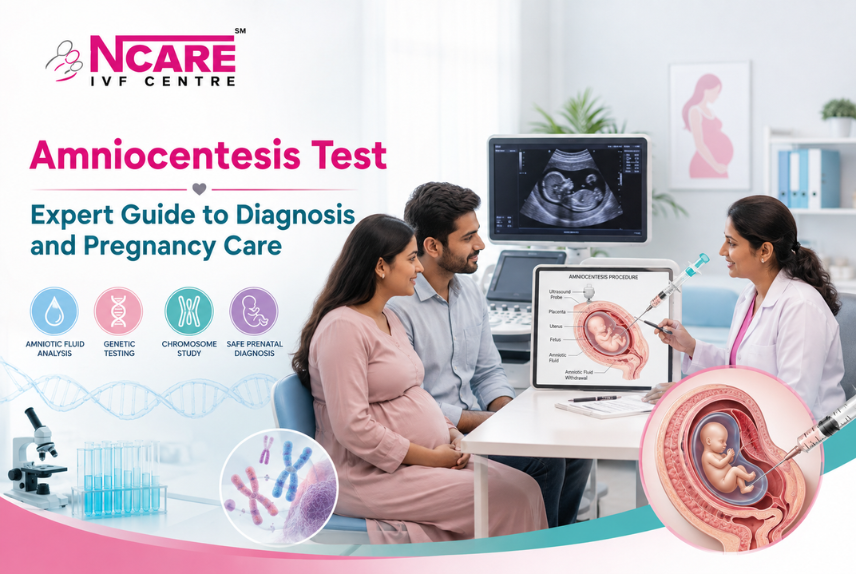
Amniocentesis Test: Expert Guide to Diagnosis and Pregnancy Care
Symptoms of Low AMH: Common Signs and Fertility Solutions

Aneuploidy Screening: Complete Guide to Testing, Procedure, Cost & Pregnancy Care

Egg Freezing Process: Complete Step-by-Step Guide for Women in 2026

PCOS Fertility Treatment: How to Overcome Infertility with PCOS
IVF Pregnancy Calculator Free – Instant Results & Easy to Use

Recurrent Pregnancy Loss: Causes, Tests & Best Treatment Options (2026 Guide)

IVF Do’s and Don’ts for Higher Success Rates | Best IVF Clinics Guide

Best IVF Hospital in Kerala: IVF, IUI & Advanced Fertility Care

What Is Ovulation Induction Treatment?

How to Choose the Right Fertility Center in Kerala for Your Parenthood Journey

Best IVF Treatment in Kerala: Affordable, Advanced & Trusted Care

Best IVF Centre in Kerala – How to Choose the Right Fertility Clinic
Top IVF Questions & Answers — A Trusted Guide

IVF Treatment in Kannur - Why NCARE IVF Is a Trusted Name in Fertility Care
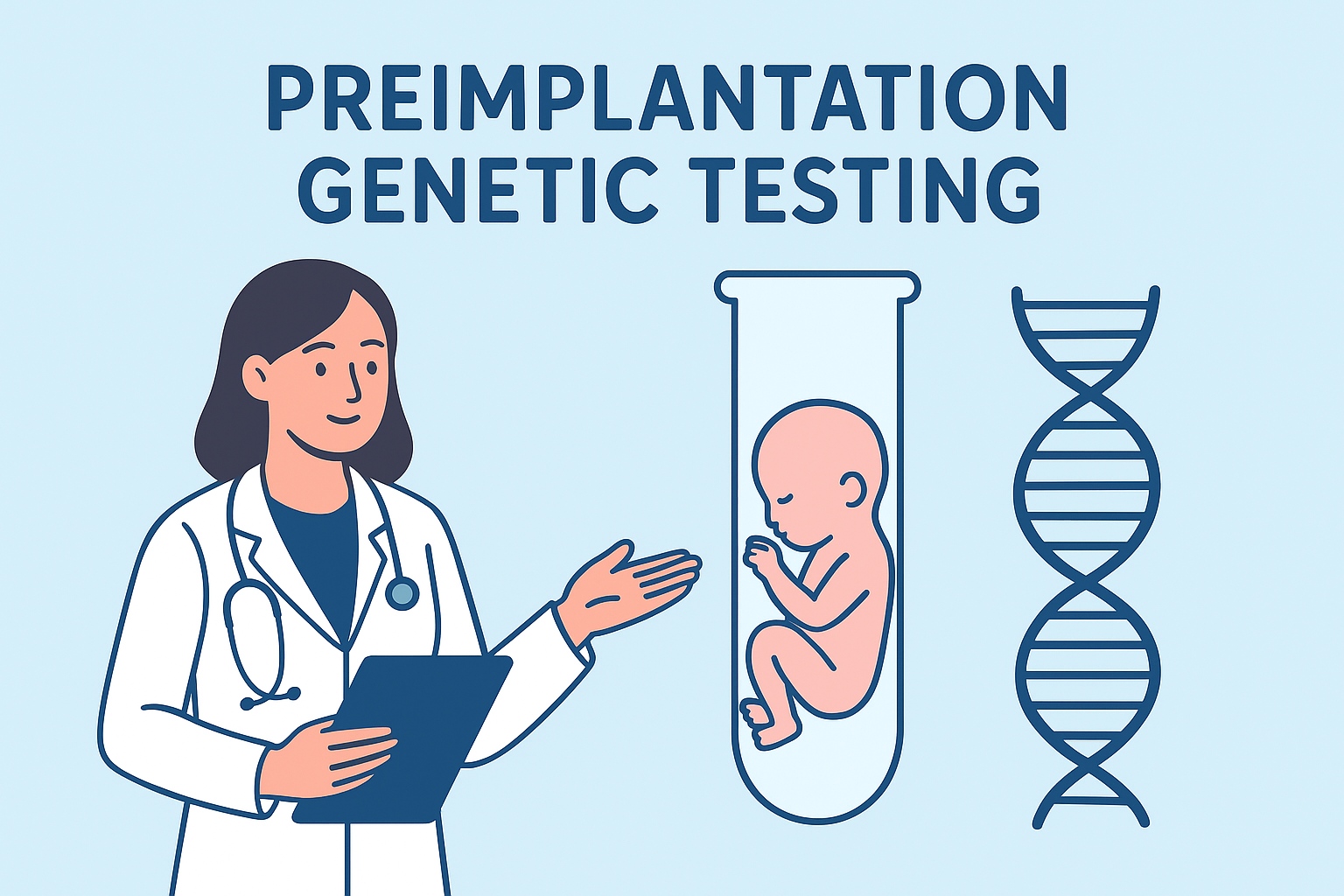
How Reliable is Preimplantation Genetic Testing in 2025
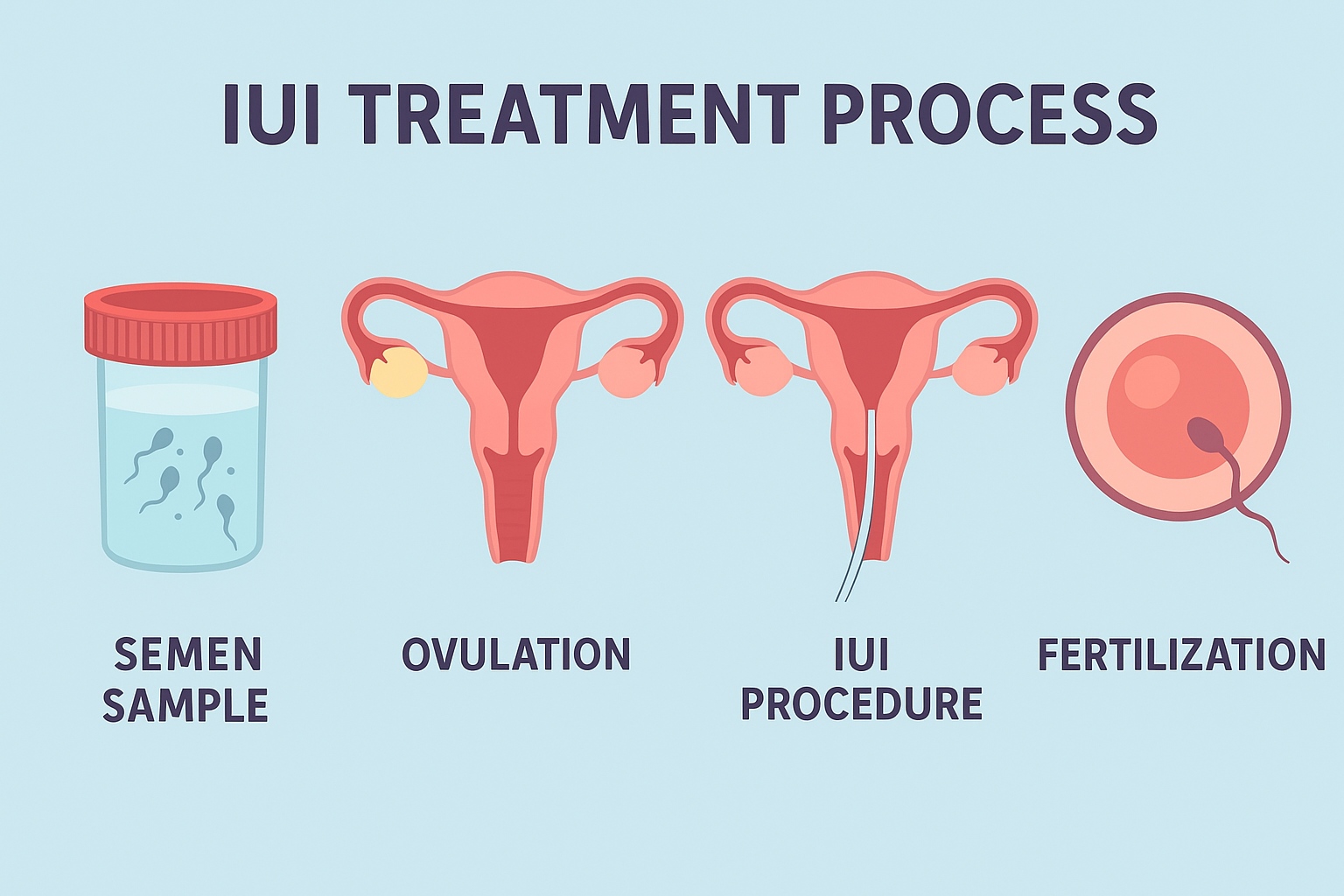
Best Guide To The IUI Treatment Process For First-Time Patients

Book Appointment
To reach out to our NCareHospital Team, please fill in the below form.
Our team members will revert back to you shortly.
Copyright © NCare IVF