


Blogs
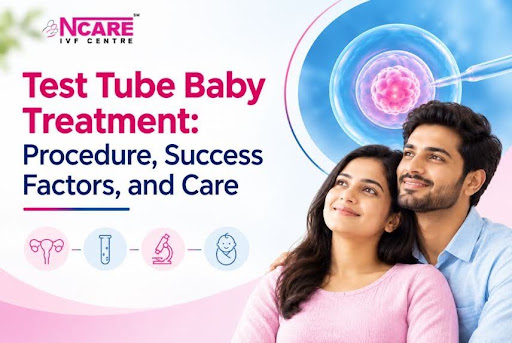
Test Tube Baby Treatment: Procedure, Success Factors, and Care
Starting a family may not always happen naturally, and some couples may need medical assistance to achieve pregnancy. Test Tube Baby Treatment is a commonly used term for in vitro fertilisation (IVF), an assisted reproductive technique in which eggs and sperm are combined in a laboratory to create embryos. A suitable embryo may then be transferred into the uterus as part of the treatment process.
This blog will explore the test tube baby procedure, preparation, factors that can influence treatment outcomes, possible benefits, aftercare, and common questions couples may have before beginning fertility treatment.
What Is Test Tube Baby Treatment?
Test tube baby treatment refers to IVF, where fertilisation takes place outside the body in a specialised laboratory. After fertilisation, embryos are monitored for development before an embryo is selected for transfer.
The treatment may be considered for different fertility conditions affecting either partner. A fertility specialist evaluates the couple's medical history, age, reproductive health, and previous treatment before recommending an appropriate approach.
It is important to understand that the term "test tube baby" does not mean that the baby develops inside a laboratory. The embryo is created in the laboratory and, after the appropriate stage of development, may be transferred to the woman's uterus.
Who May Need IVF?
A fertility specialist may consider IVF when couples experience conditions such as:
- Blocked or damaged fallopian tubes
- Male-factor infertility
- Low sperm count or reduced sperm movement
- Ovulation problems
- Endometriosis
- Unexplained infertility
- Reduced ovarian reserve
- Certain age-related fertility challenges
- Previous unsuccessful fertility treatments
The appropriate treatment depends on the underlying cause of infertility and the results of fertility investigations.

Test Tube Baby Treatment Procedure
The IVF process generally involves several stages. The exact protocol can differ from one patient to another.
1. Initial Fertility Assessment
The first stage is a detailed consultation. The doctor reviews the couple's medical history and may recommend blood tests, ultrasound scans, semen analysis, ovarian reserve testing, or other investigations.
This assessment helps the fertility team understand the possible cause of infertility and develop an individual treatment plan.
2. Ovarian Stimulation
Fertility medicines may be prescribed to encourage the ovaries to develop multiple mature eggs. The response is monitored through ultrasound scans and, when required, blood tests.
In selected cases, Ovulation Induction Treatment may be recommended depending on the patient's fertility condition and treatment plan.
3. Egg Retrieval
Once the follicles reach the appropriate stage, the mature eggs are collected through an egg retrieval procedure.
The procedure is performed under medical supervision, and the fertility team provides specific instructions before and after the procedure.
4. Sperm Collection
A sperm sample is generally collected from the male partner. The sample is assessed and prepared in the laboratory.
When sperm cannot be obtained through ejaculation, specialised sperm retrieval techniques may sometimes be considered depending on the cause of male infertility.
5. Fertilisation
The collected eggs and sperm are combined in the laboratory. Depending on sperm quality and the couple's medical circumstances, the fertility specialist may recommend conventional fertilisation or a specialised fertilisation technique.
6. Embryo Development
After fertilisation, the resulting embryos are monitored by embryologists in a controlled laboratory environment.
The embryology team observes embryo development and records relevant characteristics that help with treatment planning.
7. Embryo Selection and Transfer
Once an embryo reaches the appropriate stage, the fertility team determines whether it is suitable for transfer.
During Embryo Transfer in IVF, a selected embryo is placed into the uterus using a thin catheter. The procedure is generally short and does not usually require anaesthesia.
8. Pregnancy Test
After embryo transfer, the patient is advised to wait for the recommended period before taking a pregnancy test.
The fertility team provides instructions regarding medications, daily activities, and the date of the pregnancy test.
Test Tube Baby Treatment at a Glance
| Treatment Stage | What Happens |
|---|---|
| Fertility assessment | Medical history and fertility tests are reviewed |
| Ovarian stimulation | Medicines may help develop multiple mature eggs |
| Egg retrieval | Mature eggs are collected under medical supervision |
| Sperm collection | Sperm is collected and prepared |
| Fertilisation | Eggs and sperm are combined in the laboratory |
| Embryo development | Embryos are monitored by embryologists |
| Embryo transfer | A selected embryo may be placed into the uterus |
| Pregnancy testing | A blood test is performed at the recommended time |
Factors That May Influence IVF Outcomes
The outcome of IVF can vary from one couple to another. Several factors may influence the chances of pregnancy.
Age: Age can affect egg quantity and quality. The fertility specialist considers age when developing the treatment plan.
Egg and Embryo Quality: The quality and development of eggs and embryos can influence treatment outcomes. Embryologists carefully monitor embryo development during the laboratory stage.
Sperm Health: Sperm count, movement, and morphology can affect fertilisation. Additional male fertility evaluation may be recommended when required.
Uterine Health: The condition of the uterus and the development of the uterine lining can be important for embryo implantation.
Underlying Fertility Condition: The cause and duration of infertility can influence treatment planning. For example, women with PCOS may require an individual approach. PCOS fertility treatment can involve lifestyle guidance, medicines, ovulation support, or assisted reproductive techniques depending on the patient's condition.
Benefits of IVF
IVF can offer several potential benefits for appropriately selected couples:
- It can help couples facing certain fertility problems.
- Fertilisation takes place in a controlled laboratory environment.
- Embryo development can be monitored by embryology specialists.
- Suitable embryos may be frozen for future treatment.
- Certain additional embryo testing options may be available for selected patients.
- IVF can provide an option when other fertility treatments have not been successful.
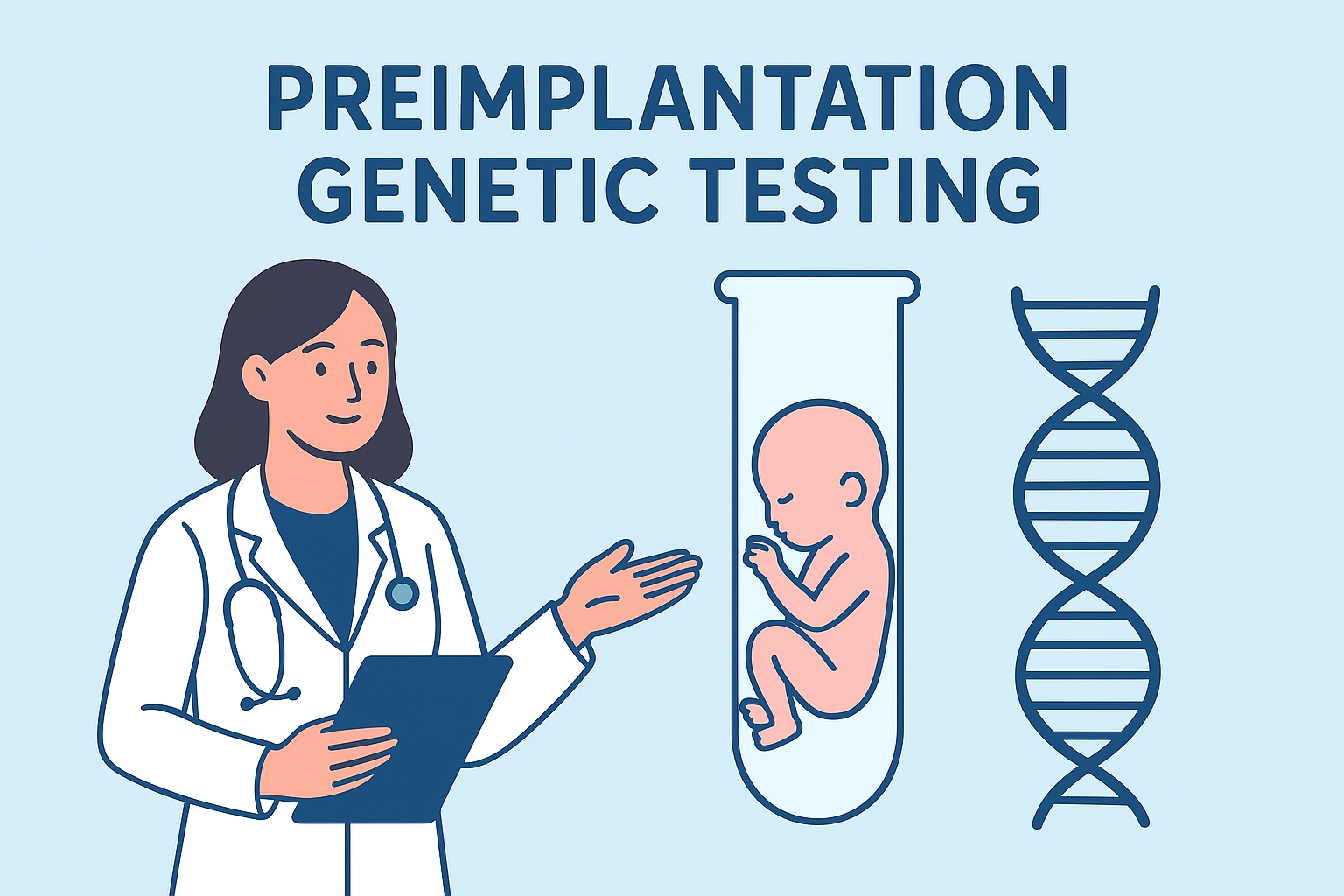
In selected cases, Preimplantation Genetic Testing may be discussed to assess certain genetic or chromosomal conditions before embryo transfer. However, this testing is not necessary or appropriate for every patient.
IVF vs IUI
IVF and IUI are different fertility treatments.
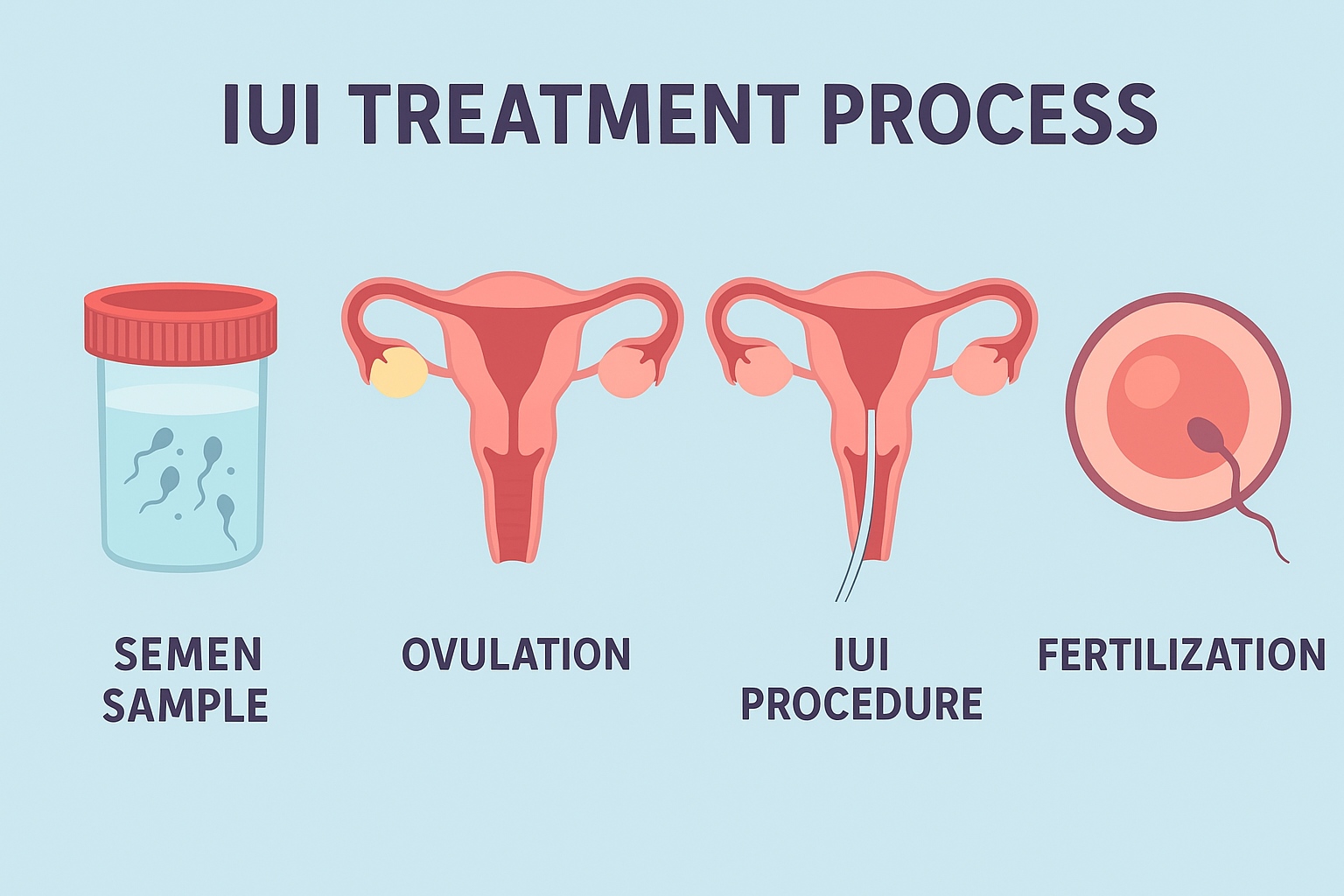
During the IUI Treatment Process, prepared sperm is placed directly into the uterus around the time of ovulation. Fertilisation still needs to occur naturally inside the reproductive tract.
With IVF, eggs are collected and fertilised with sperm in a laboratory before an embryo may be transferred into the uterus.
A doctor may recommend one treatment over another based on the couple's fertility diagnosis, age, test results, and previous treatment history.
Can Egg Freezing Be Part of Fertility Care?
Some patients may consider fertility preservation before undergoing certain medical treatments or for personal reasons. Egg freezing in Kerala involves collecting and freezing unfertilised eggs for possible future use.
Egg freezing is different from freezing embryos created during IVF. A fertility specialist can explain the differences and determine whether fertility preservation is appropriate for an individual patient.
Choosing a Fertility Centre
Choosing a suitable Fertility Center is an important part of the fertility journey. Couples should look at several factors before selecting a provider, including:
- Experience of fertility specialists
- Embryology laboratory facilities
- Available fertility treatments
- Patient monitoring and follow-up
- Communication with the medical team
- Individualised treatment planning
- Availability of male and female fertility services
Couples searching for Best IVF Clinics should focus on whether the clinic offers suitable services for their specific fertility needs rather than relying only on general claims.
Patients researching the Best IVF Hospital in Kerala can also ask about treatment protocols, laboratory facilities, consultation procedures, and follow-up care.
For couples considering IVF Treatment in Kerala, discussing their fertility condition with a qualified specialist can help them understand which treatment options may be appropriate.
Test Tube Baby Treatment in Kannur
Couples looking for IVF Treatment in Kannur can consult a fertility specialist for a detailed assessment and personalised treatment plan.
NCARE IVF Kannur provides fertility care for couples who require medical assistance while trying to conceive. Depending on the patient's condition, the treatment plan may include fertility evaluation, ovulation support, IUI Treatment, IVF, male fertility care, embryo-related procedures, and other assisted reproductive options.
The medical team can explain each stage of treatment and help patients understand the preparation, procedures, medication, monitoring, and follow-up involved.
How to Prepare for IVF
Good preparation can help couples approach treatment with better understanding and confidence.
Patients can:
- Attend all scheduled consultations and scans.
- Take medicines exactly as prescribed.
- Maintain a balanced and nutritious diet.
- Follow recommended lifestyle changes.
- Avoid smoking and follow medical advice regarding alcohol.
- Inform the doctor about existing medicines and supplements.
- Ask questions whenever treatment instructions are unclear.
- Maintain regular communication with the fertility team.
Couples should also understand that every IVF cycle can be different, and treatment may be adjusted according to the patient's response.
What to Expect After Embryo Transfer
After embryo transfer, patients usually receive instructions regarding medication, physical activity, and follow-up.
Some patients may experience mild cramping, bloating, breast tenderness, or light spotting. Others may not notice any symptoms. Symptoms alone cannot confirm whether implantation has occurred.
Patients should contact their fertility team if they experience severe pain, heavy bleeding, fever, or other concerning symptoms.
A pregnancy blood test is usually scheduled after the appropriate waiting period. Taking a pregnancy test too early may result in an unclear or inaccurate interpretation.
FAQ’s
1. Is test tube baby treatment the same as IVF?
Yes. "Test tube baby treatment" is a commonly used term for IVF. The scientific process is called in vitro fertilisation.
2. Is IVF painful?
Some stages of IVF may cause temporary discomfort. Egg retrieval is performed under medical supervision, while embryo transfer is generally a short procedure with little discomfort for many patients.
3. How long does IVF treatment take?
The timeline can vary depending on the treatment protocol, ovarian response, embryo development, and whether a fresh or frozen embryo transfer is planned.
4. Can IVF guarantee pregnancy?
No fertility treatment can guarantee pregnancy. Treatment outcomes depend on several individual factors, including age, egg and sperm quality, embryo development, and reproductive health.
5. Is IVF suitable for everyone?
No. IVF may be appropriate for some fertility conditions but not necessary for everyone. A fertility specialist should evaluate both partners before recommending treatment.
Final Thoughts
Test tube baby treatment, medically known as IVF, has helped many couples access assisted reproductive care when natural conception is difficult. The process involves fertility assessment, ovarian stimulation, egg retrieval, sperm preparation, fertilisation, embryo development, and embryo transfer.
Understanding each stage can help couples prepare for treatment and communicate more confidently with their fertility team. The right treatment plan depends on individual medical needs, fertility history, age, and test results. If you are considering IVF and want to understand your fertility treatment options, consult the specialists at NCARE IVF Kannur for personalised guidance and care.
Recent Blogs

How to Avoid Ectopic Pregnancy: Expert Tips for a Healthy Pregnancy

How to Track Ovulation: Simple Ways to Find Your Fertile Days
Anomaly Scan: A Key Step in Monitoring Your Baby’s Health
Amniocentesis Test: Expert Guide to Diagnosis and Pregnancy Care
Symptoms of Low AMH: Common Signs and Fertility Solutions
Antenatal Scans: Complete Guide to Types, Importance, Safety & Pregnancy Care
Aneuploidy Screening: Complete Guide to Testing, Procedure, Cost & Pregnancy Care
Egg Freezing Process: Complete Step-by-Step Guide for Women in 2026

PCOS Fertility Treatment: How to Overcome Infertility with PCOS
IVF Pregnancy Calculator Free – Instant Results & Easy to Use
Recurrent Pregnancy Loss: Causes, Tests & Best Treatment Options (2026 Guide)

IVF Do’s and Don’ts for Higher Success Rates | Best IVF Clinics Guide

Best IVF Hospital in Kerala: IVF, IUI & Advanced Fertility Care
What Is Ovulation Induction Treatment?

How to Choose the Right Fertility Center in Kerala for Your Parenthood Journey

Best IVF Treatment in Kerala: Affordable, Advanced & Trusted Care

Best IVF Centre in Kerala – How to Choose the Right Fertility Clinic
Top IVF Questions & Answers — A Trusted Guide
IVF Treatment in Kannur - Why NCARE IVF Is a Trusted Name in Fertility Care
How Reliable is Preimplantation Genetic Testing in 2025
Best Guide To The IUI Treatment Process For First-Time Patients

Book Appointment
To reach out to our NCareHospital Team, please fill in the below form.
Our team members will revert back to you shortly.
Copyright © NCare IVF