


Blogs
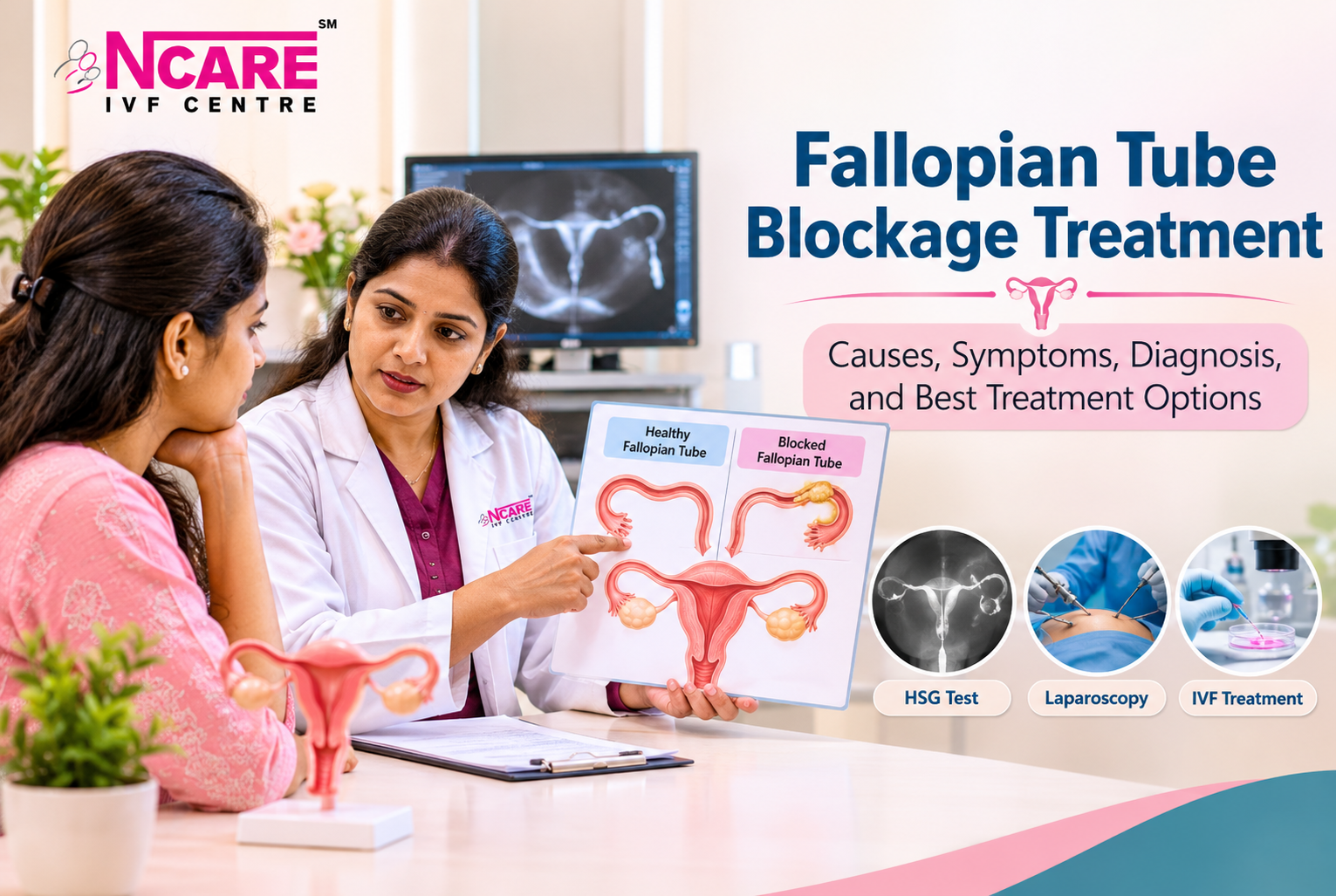
Fallopian Tube Blockage Treatment: Causes, Symptoms, Diagnosis, and Best Treatment Options
Fallopian tube blockage is one of the common causes of female infertility. The fallopian tubes play an important role in natural pregnancy. They carry the egg from the ovary towards the uterus. Fertilisation usually takes place inside the fallopian tube when the sperm meets the egg.
When one or both fallopian tubes become blocked, the egg and sperm may not meet. This can make natural pregnancy difficult. However, having blocked fallopian tubes does not mean that pregnancy is impossible. Several treatment options are available depending on the location and severity of the blockage.
Fallopian tube blockage treatment may include medication for certain underlying infections, minimally invasive surgery, tubal cannulation, or fertility treatments such as IUI and IVF. The right treatment depends on the patient's medical history, age, ovarian reserve, and overall reproductive health.
In this blog, we will explain the causes, symptoms, diagnosis, treatment options, pregnancy chances, and the latest fertility statistics related to fallopian tube blockage.
What Is Fallopian Tube Blockage?
Fallopian tube blockage is a condition in which one or both fallopian tubes become partially or completely blocked. This blockage prevents the egg and sperm from travelling through the tubes normally.
A woman generally has two fallopian tubes, one connected to each side of the uterus. These tubes help transport the egg after ovulation.
When the tubes are healthy, the following process takes place:
- 1. The ovaries release an egg during ovulation.
- 2. The fallopian tube collects the released egg.
- 3. Sperm travels through the uterus towards the fallopian tube.
- 4. Fertilisation takes place when the sperm meets the egg.
- 5. The fertilised egg travels towards the uterus.
- 6. The embryo implants in the uterine lining, resulting in pregnancy.
How Common Is Fallopian Tube Blockage? Latest Fertility Statistics
Fallopian tube problems are an important factor in female infertility. Understanding infertility statistics helps explain why early fertility evaluation is important.
| Statistic | Reported information |
|---|---|
| Global infertility | Approximately 1 in 6 people experience infertility during their lifetime |
| Female infertility factors | Tubal and pelvic conditions are recognised causes of female infertility |
| IVF treatment | IVF can help bypass damaged or blocked fallopian tubes |
| Tubal-factor infertility | Can involve one tube, both tubes, or damage to the tubes |
Important: The WHO's global infertility estimate is approximately 17.5% of the adult population experiencing infertility during their lifetime. This is a global estimate, not the percentage of women with blocked fallopian tubes. The exact prevalence of tubal blockage varies by population and underlying causes.
| Source | Key finding |
|---|---|
| WHO Infertility Fact Sheet (2025) | Approximately 1 in 6 people of reproductive age experience infertility during their lifetime. |
| American Society for Reproductive Medicine (ASRM) | Tubal disease accounts for approximately 25%–35% of female-factor infertility. |
| ASRM clinical guidance | HSG is a standard first-line investigation for checking fallopian tube blockage. |
| WHO Infertility Guideline (2025) | Treatment decisions depend on age, severity of tubal disease, and other fertility factors. |
What Are the Main Causes of Fallopian Tube Blockage?

Fallopian tube blockage can happen due to infections, inflammation, previous surgeries, or other reproductive health conditions.
The most common causes include:
1. Pelvic Inflammatory Disease (PID)
Pelvic inflammatory disease is an infection affecting the female reproductive organs, including the uterus, ovaries, and fallopian tubes.
If PID is not treated properly, it can cause inflammation and scar tissue inside the fallopian tubes. This may lead to partial or complete blockage.
2. Endometriosis
Endometriosis occurs when tissue similar to the lining of the uterus grows outside the uterus. It can affect the ovaries, fallopian tubes, and surrounding pelvic organs.
This condition may create adhesions (scar tissue), which can affect the movement of the egg through the fallopian tubes.
3. Previous Pelvic or Abdominal Surgery
Women who have undergone abdominal or pelvic surgery may develop scar tissue around the reproductive organs.
These adhesions can affect the normal position and functioning of the fallopian tubes.
4. Previous Ectopic Pregnancy
An ectopic pregnancy happens when a fertilised egg implants outside the uterus, commonly inside a fallopian tube.
Treatment for an ectopic pregnancy may sometimes damage the affected tube or require its removal.
5. Tuberculosis (Genital TB)
Genital tuberculosis can affect the uterus and fallopian tubes. It may cause inflammation, scarring, and structural damage, making natural pregnancy difficult.
6. Hydrosalpinx
Hydrosalpinx is a condition in which fluid collects inside a blocked fallopian tube. It can cause the tube to become swollen.
This condition may negatively affect fertility and reduce IVF success if not treated appropriately.
What Are the Symptoms of Blocked Fallopian Tubes?
Many women with blocked fallopian tubes do not experience noticeable symptoms. In some cases, the condition is identified only when they undergo fertility testing.
However, certain symptoms may indicate an underlying reproductive health problem.
Common symptoms include:
- 1. Difficulty getting pregnant after regular unprotected intercourse.
- 2. Pelvic pain or lower abdominal discomfort.
- 3. Pain during sexual intercourse.
- 4. Unusual vaginal discharge, especially with infection.
- 5. Painful menstrual periods.
- 6. Irregular bleeding in some women.
- 7. Persistent pelvic discomfort associated with endometriosis or infection.
Important: These symptoms do not confirm fallopian tube blockage. Some women have completely blocked tubes without experiencing any pain. A fertility specialist can recommend the appropriate investigations.
How Is Fallopian Tube Blockage Diagnosed?
Accurate diagnosis is important before choosing the right treatment. Fertility specialists use different tests to check whether the fallopian tubes are open or blocked.
1. Hysterosalpingography (HSG Test)
Hysterosalpingography (HSG) is one of the most commonly used tests to identify fallopian tube blockage.
During this test, a special contrast dye is introduced through the cervix into the uterus. X-ray images are taken to observe how the dye moves through the fallopian tubes.
If the dye passes through the tubes and spills into the pelvic cavity, it generally indicates that the tubes are open. If the dye does not pass through, a blockage may be suspected.
Benefits of HSG:
- Helps identify the location of blockage.
- Checks whether one or both tubes are open.
- Helps doctors plan further fertility investigations.
- Can sometimes clear temporary mucus plugs or minor obstructions.
2. Ultrasound Scan
A pelvic ultrasound helps doctors examine the uterus, ovaries, and surrounding reproductive organs.
It can identify certain abnormalities, including hydrosalpinx, ovarian cysts, and other pelvic conditions.
However, a routine ultrasound cannot reliably confirm that the fallopian tubes are open.
3. Sonosalpingography (SSG)
Sonosalpingography is an ultrasound-based procedure used to check fallopian tube patency.
A fluid or contrast medium is introduced into the uterus, and ultrasound is used to observe its movement through the tubes. It is an alternative to HSG in suitable patients.
4. Laparoscopy with Chromopertubation
Laparoscopy is a minimally invasive surgical procedure used to examine the reproductive organs.
A small camera is inserted through a small abdominal incision. During chromopertubation, a coloured dye is introduced through the uterus to check whether it passes through the fallopian tubes. This procedure can also help identify endometriosis, pelvic adhesions, and other abnormalities.
What Are the Best Fallopian Tube Blockage Treatment Options?
The treatment depends on the location of the blockage, whether one or both tubes are affected, the patient's age, and the overall fertility condition.
There is no single treatment suitable for every woman. The following are the major treatment options.
1. Medication for Underlying Infections
If the blockage is associated with an active bacterial infection, doctors may prescribe suitable antibiotics.
Early treatment of pelvic infections can help prevent additional damage to the reproductive organs.
However, medication cannot generally remove established scar tissue or reopen a fallopian tube that is completely blocked due to permanent damage.
2. Fallopian Tube Recanalisation (Tubal Cannulation)
Tubal cannulation is a minimally invasive procedure used mainly for selected cases of blockage near the uterus (proximal tubal obstruction).
A thin catheter or specialised instrument is guided through the cervix and uterus towards the blocked opening of the fallopian tube. The doctor attempts to gently pass through the obstruction and restore the tube's opening.
Benefits:
- Minimally invasive procedure.
- May restore tubal patency.
- Can help selected women achieve natural pregnancy.
- May avoid more extensive surgery.
However, this treatment is not suitable for every type of blockage. Severe scarring and extensive tubal damage may require another approach.
3. Laparoscopic Surgery
Laparoscopic surgery may be recommended when the fallopian tubes are affected by adhesions, endometriosis, or certain structural problems.
The surgeon uses specialised instruments and a small camera to examine and treat the affected areas.
Depending on the condition, procedures may include:
- Adhesiolysis: Removing scar tissue surrounding the fallopian tubes.
- Fimbrioplasty: Repairing the fimbrial end of the fallopian tube.
- Salpingostomy: Creating an opening in a blocked distal fallopian tube.
- Tubal reconstruction: Repairing selected damaged sections.
Surgery may improve the chances of natural pregnancy in carefully selected patients. However, severe tubal damage may reduce the benefits of surgical repair and increase the risk of ectopic pregnancy.
4. In Vitro Fertilisation (IVF) Treatment
IVF is one of the important fertility treatment options for women with blocked or severely damaged fallopian tubes. Unlike natural conception, IVF does not require the sperm and egg to meet inside the fallopian tube.
The treatment involves the following steps:
- 1. Ovarian stimulation: Fertility medications help the ovaries develop multiple mature eggs.
- 2. Egg retrieval: Mature eggs are collected from the ovaries through a minor procedure.
- 3. Fertilisation: Eggs and sperm are combined in a laboratory.
- 4. Embryo development: Fertilised eggs are monitored as they develop into embryos.
- 5. Embryo transfer: A suitable embryo is transferred into the uterus.
- 6. Pregnancy testing: A blood test is performed after the recommended waiting period.
IVF can help women with one or both blocked fallopian tubes achieve pregnancy, provided other important fertility factors are suitable.
For women looking for the best IVF treatment in Kerala, it is important to select a fertility centre with experienced specialists, appropriate laboratory facilities, transparent treatment plans, and personalised patient care.
5. Treatment for Hydrosalpinx
Hydrosalpinx requires special attention, particularly when a woman is planning IVF treatment. Fluid inside a damaged fallopian tube may negatively affect embryo implantation and IVF outcomes.
Doctors may recommend:
- Laparoscopic salpingectomy (removal of the affected tube).
- Proximal tubal occlusion (blocking the affected tube near the uterus).
The appropriate procedure depends on the patient's condition and surgical assessment. According to WHO's 2025 infertility guideline, salpingectomy or tubal occlusion may be recommended before IVF for women with tubal-factor infertility caused by hydrosalpinx.
Which Treatment Is Best for One or Both Blocked Fallopian Tubes?
The treatment varies depending on whether one or both tubes are blocked and the severity of the condition.
| Medical condition | Possible treatment |
|---|---|
| One fallopian tube blocked, other tube healthy | Natural conception may be possible |
| Mild proximal tubal blockage | Tubal cannulation in suitable cases |
| Scar tissue around the tubes | Laparoscopic adhesiolysis |
| Mild distal tubal damage | Selected laparoscopic repair |
| Both fallopian tubes completely blocked | IVF treatment |
| Severe tubal damage | IVF may be preferred |
| Hydrosalpinx | Salpingectomy or tubal occlusion before IVF |
| Previous tubal ligation | Tubal reversal surgery or IVF, depending on suitability |
Medical note: These are general treatment pathways, not individual prescriptions. A fertility specialist must review the investigation results before recommending treatment.
Can You Get Pregnant with Blocked Fallopian Tubes?
Yes, pregnancy may still be possible with blocked fallopian tubes, depending on the condition.
Pregnancy with One Blocked Fallopian Tube
If one fallopian tube is blocked but the other tube is healthy and functioning properly, natural pregnancy may still occur. The healthy tube can collect an egg released from an ovary. However, pregnancy chances depend on several factors, including age, ovulation, sperm health, and the condition of the remaining tube.
Pregnancy with Both Blocked Fallopian Tubes
If both fallopian tubes are completely blocked, natural conception becomes extremely difficult because the sperm and egg cannot meet normally. IVF can help overcome this problem because fertilisation takes place outside the body, and the resulting embryo is transferred directly into the uterus.
Can Blocked Fallopian Tubes Open Naturally?
Some temporary obstructions or apparent blockages may resolve or be cleared during investigation. For example, HSG may sometimes clear minor obstructions.
However, fallopian tubes damaged by severe infection, fibrosis, or established scar tissue do not usually reopen naturally.
Women should not depend on home remedies or herbal medicines to remove a confirmed tubal blockage.
Can IUI Treatment Help with Blocked Fallopian Tubes?
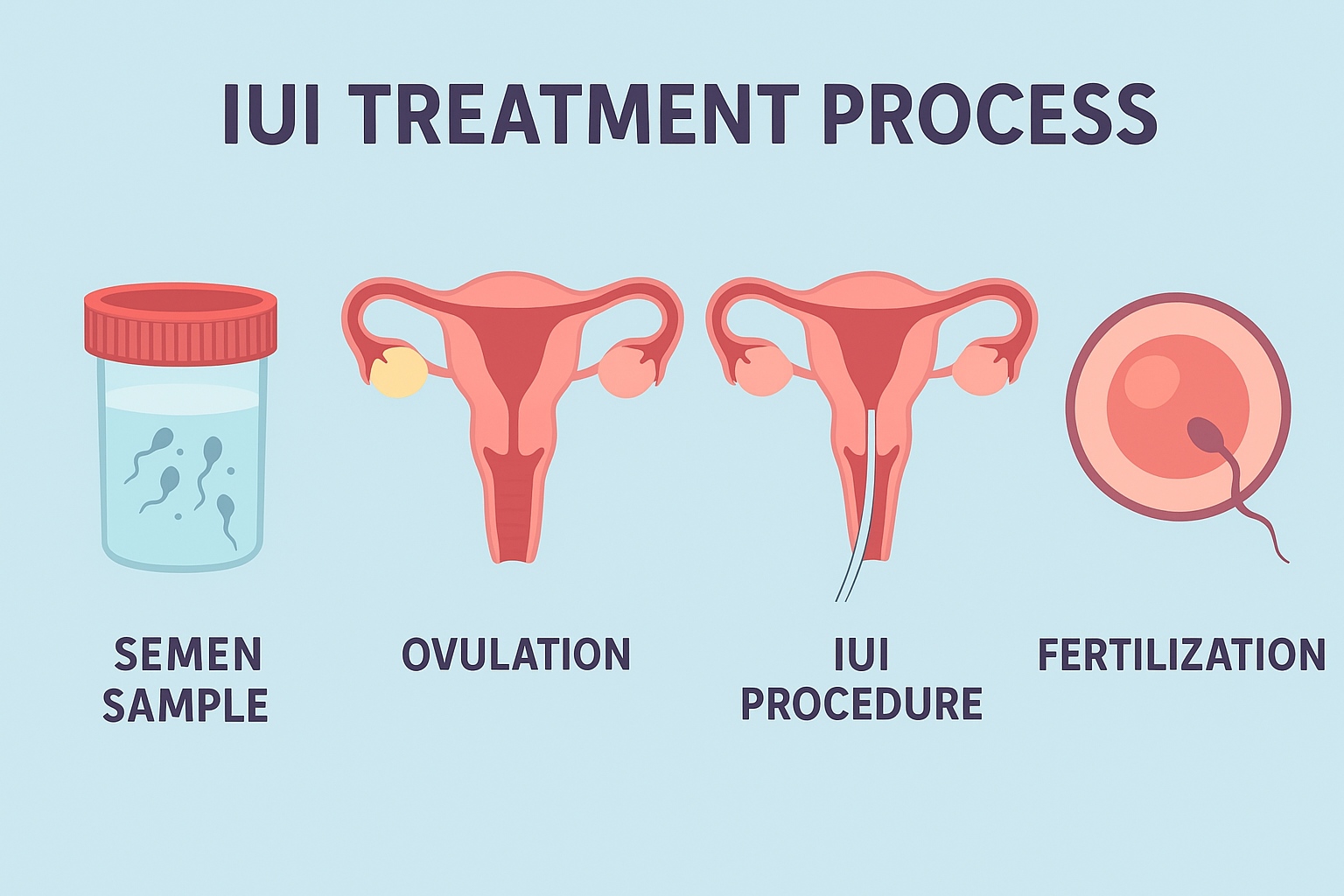
IUI (Intrauterine Insemination) is a fertility treatment in which specially prepared sperm is placed directly inside the uterus around the time of ovulation. However, IUI does not bypass the fallopian tubes.
For IUI to result in natural fertilisation, at least one fallopian tube should be open and functional. The sperm must still travel through the tube to meet the egg.
When is IUI recommended?
- When at least one fallopian tube is open.
- When ovulation problems are appropriately managed.
- In selected cases of mild male-factor infertility.
- When there are no major tubal abnormalities or other significant fertility problems.
If both fallopian tubes are completely blocked, IVF is generally a more suitable option than IUI. Couples considering IUI Treatment should undergo fertility investigations before choosing the procedure.
Is Egg Freezing Helpful for Women with Fallopian Tube Blockage?
Egg freezing is a fertility preservation procedure in which mature eggs are collected from the ovaries and frozen for possible future use.
It does not directly treat fallopian tube blockage. However, it may be useful for women who want to preserve their fertility for personal or medical reasons.
Women considering egg freezing in Kerala should understand the following:
- 1. Egg freezing helps preserve eggs for future fertility treatment.
- 2. It does not repair damaged fallopian tubes.
- 3. Frozen eggs can be fertilised with sperm through IVF or ICSI when the woman decides to pursue pregnancy.
- 4. The number and quality of eggs, particularly the woman's age at freezing, influence future pregnancy prospects.
A fertility specialist can help determine whether egg freezing or proceeding with IVF is more appropriate.
When Should You Visit the Best IVF Hospital in Kerala?
Women experiencing difficulty getting pregnant due to suspected fallopian tube blockage should consider an early fertility evaluation.
Choosing the Best IVF Hospital in Kerala is important when you need an accurate diagnosis, suitable treatment options, and ongoing fertility care.
Before selecting a fertility hospital, consider the following factors:
| Factors to consider | Why it matters |
|---|---|
| Experienced fertility specialists | Helps with accurate diagnosis and treatment planning |
| Advanced diagnostic facilities | Supports investigations such as HSG and ultrasound |
| IVF laboratory facilities | Important for egg fertilisation and embryo development |
| Personalised treatment plans | Treatment should match individual fertility conditions |
| Transparent pricing | Helps patients understand treatment expenses |
| Patient counselling | Provides guidance throughout the fertility journey |
| Follow-up care | Supports monitoring after treatment |
A good Fertility Center should explain whether tubal surgery, IUI, IVF, or another approach is suitable rather than recommending the same treatment to every patient. If you are looking for localized care, consulting an IVF centre in Kerala or exploring IVF Treatment in Kannur can help you connect with expert medical teams near you.
What Are the Risks of Untreated Fallopian Tube Blockage?
Ignoring fallopian tube problems may affect reproductive health, particularly when the blockage is associated with infection or inflammation.
Possible complications include:
- 1. Infertility: Complete blockage of both tubes can prevent natural conception.
- 2. Ectopic pregnancy: A damaged fallopian tube may increase the risk of pregnancy developing outside the uterus.
- 3. Chronic pelvic pain: Underlying endometriosis, adhesions, or infection may cause ongoing discomfort.
- 4. Hydrosalpinx: Fluid may accumulate inside a damaged tube.
- 5. Reduced IVF success: Untreated hydrosalpinx may negatively affect implantation and pregnancy outcomes.
If you experience a positive pregnancy test along with severe one-sided abdominal pain, shoulder-tip pain, dizziness, or fainting, seek emergency medical attention because these can be warning signs of an ectopic pregnancy.
How Can You Maintain Good Fallopian Tube Health?
Not every cause of fallopian tube blockage can be prevented. However, certain steps may help reduce the risk of reproductive tract infections and related complications.
- Seek medical treatment for sexually transmitted infections.
- Do not ignore persistent pelvic pain or unusual vaginal discharge.
- Attend regular gynaecological consultations when recommended.
- Follow medical advice for pelvic inflammatory disease.
- Discuss fertility concerns with a specialist early.
- Avoid self-medication and unverified fertility remedies.
- Maintain a healthy lifestyle and avoid smoking.
Early diagnosis and appropriate medical treatment can help protect reproductive health.
Conclusion
Fallopian tube blockage is a common concern among women experiencing fertility difficulties. However, it does not mean that pregnancy is impossible.
Several treatment options are available, including medication for infections, tubal cannulation, laparoscopic surgery, and IVF treatment. The right approach depends on the location of the blockage, the severity of tubal damage, the woman's age, and other fertility factors.
If both fallopian tubes are severely damaged or completely blocked, IVF can offer an alternative route to pregnancy without requiring natural fertilisation inside the tubes.
Consult an experienced fertility specialist to understand your condition and choose the most suitable treatment. When exploring options, reviewing key Questions Before Starting IVF and evaluating top-rated Best IVF Clinics can help set clear expectations. With proper diagnosis, personalised care, and appropriate fertility treatment, many women with tubal-factor infertility can pursue their pregnancy goals.
Frequently Asked Questions About Fallopian Tube Blockage Treatment
1. Can blocked fallopian tubes be treated without surgery?
Yes, certain types of proximal tubal blockage may be treated through tubal cannulation. If the blockage is caused by an active infection, medication may treat the infection. However, established scar tissue and severe tubal damage generally cannot be corrected with medication alone.
2. What is the best treatment for blocked fallopian tubes?
The best treatment depends on the location and severity of the blockage. Options include tubal cannulation, laparoscopic surgery, and IVF. IVF is often preferred when both tubes are severely damaged or completely blocked.
3. Can a woman get pregnant naturally with one blocked fallopian tube?
Yes. Natural pregnancy is possible if the other fallopian tube is healthy and functioning. However, pregnancy chances also depend on ovulation, age, sperm quality, and other reproductive factors.
4. Can I get pregnant if both fallopian tubes are blocked?
Natural pregnancy is generally not possible when both tubes are completely blocked. However, IVF can help because fertilisation takes place outside the body and the embryo is transferred into the uterus.
5. Is HSG painful?
Some women experience mild to moderate cramping during an HSG test. The discomfort is usually temporary. Pain levels vary from person to person.
6. Can HSG remove fallopian tube blockage?
HSG may sometimes clear minor mucus plugs or temporary obstructions. However, it cannot reliably remove established scar tissue or repair severely damaged fallopian tubes.
7. How long does fallopian tube blockage treatment take?
Treatment duration depends on the selected procedure. Tubal cannulation may be completed in a short procedure, while laparoscopic surgery requires recovery time. IVF usually involves several weeks of treatment, depending on the treatment plan.
8. Is IVF successful with completely blocked fallopian tubes?
Yes. IVF can help women with completely blocked fallopian tubes achieve pregnancy because it bypasses the tubes. Success depends on age, egg quality, embryo quality, uterine health, and other medical factors.
9. Can IUI work if both fallopian tubes are blocked?
No. IUI does not bypass the fallopian tubes. At least one open and functional tube is generally required for fertilisation to occur naturally.
10. Does fallopian tube blockage cause irregular periods?
Fallopian tube blockage usually does not directly affect menstrual cycles because the ovaries and hormones control menstruation. However, underlying conditions such as endometriosis or hormonal disorders may cause menstrual changes.
11. Can blocked fallopian tubes cause ectopic pregnancy?
Yes. A damaged or partially blocked fallopian tube may increase the risk of ectopic pregnancy. This happens when a fertilised egg implants inside the tube instead of reaching the uterus.
12. When should I consult a fertility specialist?
Consult a fertility specialist if you have a history of pelvic infections, ectopic pregnancy, endometriosis, pelvic surgery, or difficulty getting pregnant. Women under 35 are generally advised to seek an infertility evaluation after 12 months of trying, while women aged 35 and above should seek evaluation after six months. Earlier assessment may be appropriate when known fertility risk factors exist.
Recent Blogs
What Is Embryo Transfer in IVF? A Step-by-Step Guide

Test Tube Baby Treatment: Procedure, Success Factors, and Care

How to Avoid Ectopic Pregnancy: Expert Tips for a Healthy Pregnancy

How to Track Ovulation: Simple Ways to Find Your Fertile Days
Anomaly Scan: A Key Step in Monitoring Your Baby’s Health
Amniocentesis Test: Expert Guide to Diagnosis and Pregnancy Care
Symptoms of Low AMH: Common Signs and Fertility Solutions
Antenatal Scans: Complete Guide to Types, Importance, Safety & Pregnancy Care

Aneuploidy Screening: Complete Guide to Testing, Procedure, Cost & Pregnancy Care
Egg Freezing Process: Complete Step-by-Step Guide for Women in 2026
PCOS Fertility Treatment: How to Overcome Infertility with PCOS
IVF Pregnancy Calculator Free – Instant Results & Easy to Use
Recurrent Pregnancy Loss: Causes, Tests & Best Treatment Options (2026 Guide)

IVF Do’s and Don’ts for Higher Success Rates | Best IVF Clinics Guide

Best IVF Hospital in Kerala: IVF, IUI & Advanced Fertility Care
What Is Ovulation Induction Treatment?
How to Choose the Right Fertility Center in Kerala for Your Parenthood Journey

Best IVF Treatment in Kerala: Affordable, Advanced & Trusted Care

Best IVF Centre in Kerala – How to Choose the Right Fertility Clinic
Top IVF Questions & Answers — A Trusted Guide
IVF Treatment in Kannur - Why NCARE IVF Is a Trusted Name in Fertility Care
How Reliable is Preimplantation Genetic Testing in 2025
Best Guide To The IUI Treatment Process For First-Time Patients

Book Appointment
To reach out to our NCareHospital Team, please fill in the below form.
Our team members will revert back to you shortly.
Copyright © NCare IVF