


Blogs
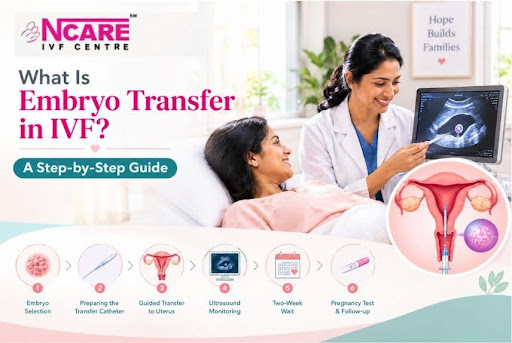
What Is Embryo Transfer in IVF? A Step-by-Step Guide
Embryo transfer is an important stage of fertility treatment that brings couples one step closer to their goal of parenthood. Embryo Transfer in IVF involves placing a selected embryo into the uterus, where it may implant in the uterine lining and develop into a pregnancy. Understanding the procedure, preparation, and aftercare can help patients feel more confident and prepared.
This blog will explore the step-by-step embryo transfer process, the different types of embryo transfer, how to prepare for the procedure, its potential benefits, factors that may affect implantation, and what to expect after the transfer. It will also explain important aftercare tips and answer common questions to help couples better understand this stage of IVF treatment.
What Is Embryo Transfer?
Embryo transfer is a procedure performed during in vitro fertilisation (IVF). After eggs are collected and fertilised with sperm in a laboratory, the developing embryos are monitored by embryologists. A suitable embryo is then selected and transferred into the uterus using a thin, flexible catheter.
The procedure is generally short and does not usually require anaesthesia. However, the treatment plan may vary depending on the patient's medical condition, embryo development, and the fertility specialist's recommendations.

Step-by-Step Embryo Transfer Process
The procedure involves several stages, from preparing the uterus to monitoring for pregnancy.
1. Embryo Development in the Laboratory
After egg retrieval and fertilisation, embryos are kept in a specialised laboratory environment. Embryologists monitor their development and assess their quality to help identify embryos suitable for transfer.
2. Preparing the Uterus
The uterine lining needs to be suitable for embryo implantation. In a fresh transfer cycle, the body is monitored following ovarian stimulation. In a frozen embryo Transfer in IVF cycle, medication may be prescribed to prepare the uterine lining.
The doctor will assess the lining through ultrasound scans and may recommend blood tests to determine the appropriate timing.
3. Selecting the Embryo
The embryology team assesses embryo development and morphology to support the selection process. In selected cases, Preimplantation Genetic Testing may be discussed to assess certain chromosomal or genetic conditions. It is not necessary or recommended for every patient.
4. The Embryo Transfer Procedure
The patient is positioned comfortably, and the doctor gently inserts a thin catheter through the cervix into the uterus. The selected embryo is carefully released into the uterine cavity, often with ultrasound guidance. The procedure usually takes only a short time. Most patients can go home shortly afterward, following the clinic's instructions.
5. After the Transfer
Following the procedure, patients receive guidance about prescribed medication, daily activities, and follow-up appointments. Mild cramping or light spotting may occur, but patients should contact their clinic if they experience severe pain, heavy bleeding, fever, or other concerning symptoms.
6. Pregnancy Testing
A pregnancy blood test is usually scheduled after an appropriate waiting period, often around 9–14 days after transfer, depending on the treatment plan. Testing too early may lead to confusing results, so patients should follow their doctor's advice.
Types of Embryo Transfer
There are two common approaches to embryo transfer:
| Type | Description | When It Is Used |
|---|---|---|
| Fresh embryo transfer | An embryo is transferred during the same treatment cycle as egg retrieval. | When the patient's condition and embryo development make a fresh transfer appropriate. |
| Frozen embryo transfer | An embryo that was frozen and stored earlier is thawed and transferred in a later cycle. | When a later transfer is recommended for medical, timing, or treatment-related reasons. |
The fertility specialist will explain which approach is appropriate based on the patient's response to treatment and overall health.
How to Prepare for Embryo Transfer
Preparing for the procedure can help patients feel more organised and informed. The fertility team will provide personalised instructions, which may include:
- Take prescribed medication at the recommended time.
- Attend all scheduled ultrasound scans and blood tests.
- Follow the clinic's instructions about food, fluids, and arrival time.
- Inform the doctor about existing medicines, supplements, or new symptoms.
- Ask the fertility team about any activity restrictions.
- Arrange transport home if advised by the clinic.
Patients who are undergoing IVF Treatment in Kerala can discuss the expected timeline and preparation requirements with their fertility specialist before the transfer date.
What to Expect After Embryo Transfer
Most patients can return to light daily activities after the procedure unless their doctor advises otherwise. Strict bed rest is generally not required, and normal gentle movement does not cause an embryo to fall out.
During the waiting period, patients may notice symptoms such as mild cramps, bloating, breast tenderness, or no symptoms at all. These symptoms cannot reliably confirm whether implantation has occurred.
For a clearer understanding of embryo transfer in IVF treatment, patients can ask Questions Before Starting IVF and discuss aftercare instructions with their medical team.
Factors That May Affect Embryo Implantation
Several factors can influence the likelihood of implantation and pregnancy, including:
- Age and reproductive health
- Embryo development and quality
- Uterine lining and uterine health
- Certain hormonal or medical conditions
- Previous fertility treatment history
- The underlying cause of infertility
Even when an Embryo Transfer in IVF appears suitable for transfer, implantation and pregnancy cannot be guaranteed. A fertility specialist can explain the factors relevant to each patient's circumstances.
Benefits of Embryo Transfer in IVF
Embryo transfer is an essential part of IVF and offers several treatment-related benefits:
- Controlled placement: The embryo is placed directly into the uterine cavity using a specialised catheter.
- Individualised planning: The timing of transfer can be planned according to embryo development and uterine preparation.
- Frozen transfer options: Suitable embryos may be stored for possible future use.
- Laboratory assessment: Embryos are monitored in a controlled laboratory environment before transfer.
- Treatment flexibility: Fresh or frozen transfer may be considered depending on individual medical needs.
Choosing the Right Fertility Centre
Choosing a suitable Fertility Center is an important part of the treatment journey. Patients can consider the experience of the fertility specialists, embryology laboratory facilities, treatment options, communication, and follow-up care.
Couples researching an IVF centre in Kerala or Best IVF Hospital in Kerala should look for clear explanations of procedures, transparent treatment planning, and care that is tailored to their individual needs. It can also be helpful to ask about the clinic's embryo handling practices and the support available after transfer.
At NCARE IVF Kannur, couples can consult fertility specialists to understand available treatment options, including IVF and embryo-related procedures. Patients considering IVF Treatment in Kannur can discuss their medical history, treatment goals, and the next steps during a consultation.
Embryo Transfer and Other Fertility Treatments
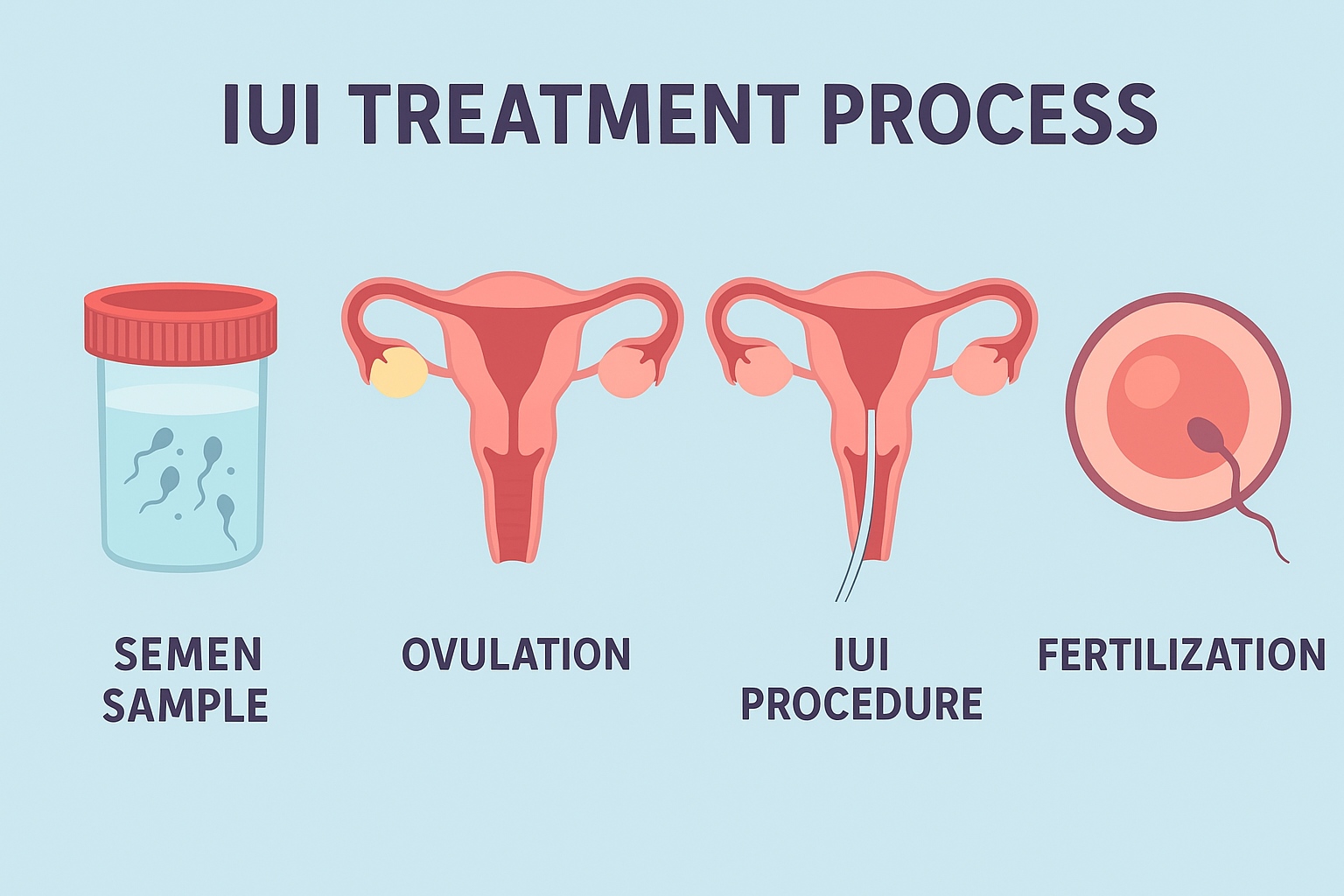
Embryo transfer is performed as part of IVF and differs from treatments such as IUI Treatment, where prepared sperm is placed directly into the uterus around ovulation without laboratory fertilisation of the egg.
Some patients may receive other treatments, such as Ovulation Induction Treatment, depending on their diagnosis. The doctor will recommend an appropriate approach after evaluating both partners and reviewing relevant test results.
Frequently Asked Questions
1. Is embryo transfer painful?
Most patients experience little or no pain during the procedure. Some may feel mild pressure or discomfort when the catheter is inserted. Anaesthesia is usually not required.
2. How long does the embryo transfer procedure take?
The transfer itself is generally completed within a short period, although preparation and observation may take additional time at the clinic.
3. Should I take bed rest after embryo transfer?
Strict bed rest is generally not necessary. Patients can usually continue light daily activities, but they should follow their fertility specialist's specific instructions.
4. When can I take a pregnancy test?
The clinic will recommend the appropriate date, commonly around 9–14 days after transfer. Following the advised timing helps avoid misleading early results.
5. Can every embryo transfer result in pregnancy?
No. Implantation and pregnancy depend on several factors, and success cannot be guaranteed. The specialist can explain individual considerations and discuss possible next steps.
Final Thoughts
Embryo transfer is a key stage of IVF that requires careful planning, appropriate embryo selection, and personalised medical guidance. Understanding how the procedure works, how to prepare, and what to expect afterward can help patients feel more comfortable throughout the process.
Every fertility journey is different, and the treatment plan should be based on individual medical needs. When choosing among Best IVF Clinics, couples should consider specialist expertise, laboratory facilities, treatment options, and follow-up support. Couples should also stay in contact with their fertility team, follow prescribed instructions, and attend recommended follow-up appointments.
If you are considering IVF or have questions about embryo transfer, consult the fertility specialists at NCARE IVF Kannur to understand your options and receive personalised guidance.
Recent Blogs

Test Tube Baby Treatment: Procedure, Success Factors, and Care

How to Avoid Ectopic Pregnancy: Expert Tips for a Healthy Pregnancy

How to Track Ovulation: Simple Ways to Find Your Fertile Days
Anomaly Scan: A Key Step in Monitoring Your Baby’s Health
Amniocentesis Test: Expert Guide to Diagnosis and Pregnancy Care
Symptoms of Low AMH: Common Signs and Fertility Solutions
Antenatal Scans: Complete Guide to Types, Importance, Safety & Pregnancy Care

Aneuploidy Screening: Complete Guide to Testing, Procedure, Cost & Pregnancy Care

Egg Freezing Process: Complete Step-by-Step Guide for Women in 2026

PCOS Fertility Treatment: How to Overcome Infertility with PCOS
IVF Pregnancy Calculator Free – Instant Results & Easy to Use

Recurrent Pregnancy Loss: Causes, Tests & Best Treatment Options (2026 Guide)

IVF Do’s and Don’ts for Higher Success Rates | Best IVF Clinics Guide

Best IVF Hospital in Kerala: IVF, IUI & Advanced Fertility Care

What Is Ovulation Induction Treatment?

How to Choose the Right Fertility Center in Kerala for Your Parenthood Journey

Best IVF Treatment in Kerala: Affordable, Advanced & Trusted Care

Best IVF Centre in Kerala – How to Choose the Right Fertility Clinic

Top IVF Questions & Answers — A Trusted Guide

IVF Treatment in Kannur - Why NCARE IVF Is a Trusted Name in Fertility Care
How Reliable is Preimplantation Genetic Testing in 2025
Best Guide To The IUI Treatment Process For First-Time Patients

Book Appointment
To reach out to our NCareHospital Team, please fill in the below form.
Our team members will revert back to you shortly.
Copyright © NCare IVF