


Blogs
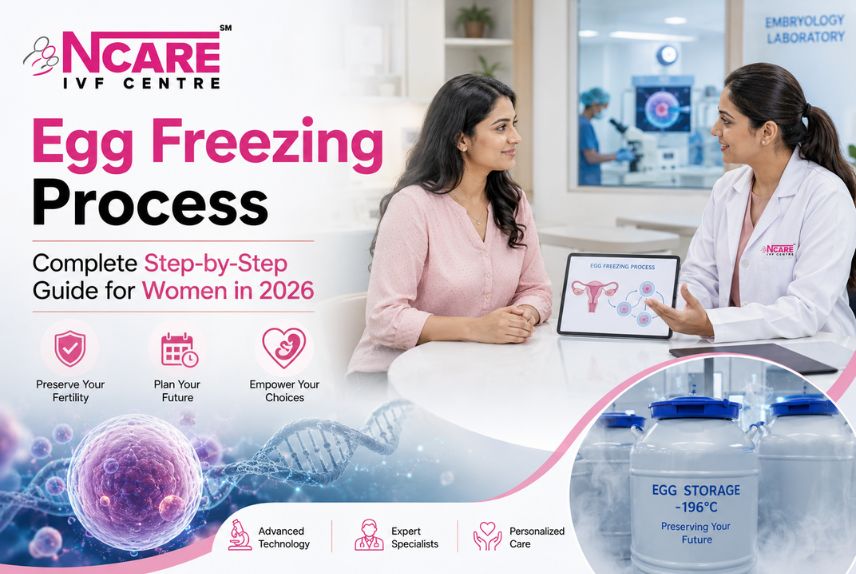
Egg Freezing Process: Complete Step-by-Step Guide for Women in 2026
The egg freezing process has become one of the most advanced fertility preservation options for women who want to plan pregnancy at the right time. Whether you are focusing on your career, waiting for the right partner, facing medical treatments, or simply planning for the future, egg freezing offers flexibility and peace of mind.
Today, many women choose this fertility treatment to preserve healthy eggs during their younger reproductive years. With modern reproductive technology, the success rates of frozen eggs and IVF pregnancies have improved significantly. Understanding the complete egg freezing process can help you make informed decisions about your reproductive health.
Many women are now exploring egg freezing in Kerala because of the availability of advanced fertility technology, experienced specialists, and affordable reproductive care options. Several fertility centers offering IVF Treatment in Kerala also provide modern fertility preservation services for women planning future pregnancies.
What is the egg freezing process?
The egg freezing process is a medical fertility preservation procedure in which a woman’s eggs are collected, frozen, and stored for future pregnancy use. The scientific term for this procedure is oocyte cryopreservation.
During this treatment, fertility specialists stimulate the ovaries using hormonal medications so multiple mature eggs can develop. These eggs are then retrieved through a minimally invasive procedure and frozen using advanced vitrification technology.
Later, when the woman is ready to become pregnant, the frozen eggs are thawed, fertilized with sperm in an IVF laboratory, and transferred into the uterus.
Why Women Choose Egg Freezing
Many women choose the egg freezing process for different personal and medical reasons, including:
- Delaying pregnancy for career or education
- Planning pregnancy later in life
- Preserving fertility before cancer treatment
- Low ovarian reserve concerns
- Family history of early menopause
- Waiting for the right life partner
- Medical conditions affecting fertility
- Endometriosis or reproductive disorders
In recent years, fertility awareness has increased significantly, and many women now prefer egg freezing in Kerala because fertility centers in the region provide advanced reproductive technology and personalized fertility care.
Egg freezing gives women more reproductive flexibility and increases the chances of using healthier eggs later in life.
Step-by-Step Egg Freezing Process
Understanding each stage of the egg freezing process helps reduce anxiety and prepares you for the treatment journey.
1. Initial Fertility Consultation
The first step involves meeting a fertility specialist. During this consultation, doctors evaluate your reproductive health and discuss your fertility goals.
Tests may include:
- Hormone blood tests
- AMH test
- Ultrasound scan
- Ovarian reserve assessment
- Medical history review
The doctor will determine whether you are a good candidate for egg freezing. Many women searching for the Best IVF Clinic in Kerala usually look for centers that provide fertility evaluations, egg freezing services, and advanced IVF facilities under one roof.
2. Ovarian Stimulation
Once the evaluation is complete, hormonal injections are given to stimulate the ovaries. Normally, the body releases one egg per month, but fertility medications help produce multiple mature eggs. This phase usually lasts around 8–14 days.
During ovarian stimulation:
- Daily hormone injections are administered
- Ultrasound scans monitor follicle growth
- Blood tests check hormone levels
- Medication dosage may be adjusted
The goal is to collect multiple healthy eggs for future use.
3. Trigger Injection
When the follicles reach the desired size, a trigger injection is given to help the eggs mature completely. The egg retrieval procedure is scheduled approximately 34–36 hours after the trigger shot.
Timing is extremely important during the egg freezing process because mature eggs must be collected before natural ovulation occurs.
4. Egg Retrieval Procedure
Egg retrieval is a minor surgical procedure performed under mild sedation or anesthesia.
During the procedure:
- A thin ultrasound-guided needle is inserted through the vaginal wall
- Mature eggs are collected from the ovarian follicles
- The procedure usually takes 20–30 minutes
Most women can return home the same day after a short recovery period.
5. Egg Freezing and Storage
After retrieval, embryologists examine the eggs and select mature eggs for freezing. The eggs are frozen using a rapid freezing technique called vitrification, which prevents ice crystal formation and protects egg quality.
The frozen eggs are then safely stored in specialized cryogenic tanks until needed in the future. Many centers providing IVF Treatment in Kerala now use advanced vitrification methods that improve egg survival rates after thawing.
How Long Does the Egg Freezing Process Take?
The complete egg freezing process usually takes around 2–3 weeks from the initial consultation to egg retrieval. Here is a general timeline:
| Procedure Stage | Duration |
|---|---|
| Fertility evaluation | 1–2 days |
| Ovarian stimulation | 8–14 days |
| Monitoring scans | During stimulation |
| Egg retrieval | 20–30 minutes |
| Recovery | 1–2 days |
Best Age for Egg Freezing
Fertility experts usually recommend egg freezing before the age of 35 because egg quality naturally declines with age.
- Ideal age range: Late 20s to early 30s
However, women in their late 30s may still benefit depending on their ovarian reserve and fertility health. Freezing eggs at a younger age generally improves future IVF success rates.
Women considering egg freezing in Kerala are often encouraged to consult fertility specialists early to understand their ovarian reserve and reproductive planning options.
Success Rate of Egg Freezing
The success of the egg freezing process depends on several factors:
- Age at the time of freezing
- Number of eggs frozen
- Egg quality
- Fertility clinic expertise
- Overall reproductive health
Younger women usually have better outcomes because their eggs are healthier and genetically stronger. Modern vitrification techniques have significantly improved egg survival rates after thawing.
Choosing the Best IVF Clinic in Kerala with experienced embryologists and advanced laboratory technology can also improve fertility preservation outcomes.
Benefits of the Egg Freezing Process
The egg freezing process offers several important benefits:
Preserves Fertility
Women can preserve healthy eggs for future pregnancy planning.
Career and Lifestyle Flexibility
Egg freezing allows women to delay parenthood without immediate fertility pressure.
Medical Fertility Protection
Cancer patients can preserve fertility before chemotherapy or radiation treatment.
Higher Future Pregnancy Possibilities
Frozen younger eggs may increase IVF success rates later in life.
Emotional Peace of Mind
Many women feel more confident about their reproductive future after fertility preservation.
Side Effects of Egg Freezing
Most women tolerate the procedure well, but mild side effects can occur. Common side effects include:
- Bloating
- Mild pelvic discomfort
- Mood changes
- Injection site pain
- Fatigue
- Temporary cramping
Rare complications may include ovarian hyperstimulation syndrome (OHSS), infection, or bleeding. Always choose an experienced fertility clinic for safer treatment outcomes.
Recovery After Egg Retrieval
Recovery after the egg retrieval procedure is usually quick. Most women can resume normal activities within 24–48 hours. Doctors may advise:
- Avoiding heavy exercise for a few days
- Drinking plenty of fluids
- Taking prescribed medications
- Resting after the procedure
Mild bloating and cramping generally improve within a few days.
Cost of Egg Freezing Process in India
The cost of the egg freezing process in India varies depending on:
- Fertility clinic location
- Doctor expertise
- Medication requirements
- Number of cycles
- Storage duration
On average, the treatment may range between ₹80,000 to ₹2,00,000 per cycle, excluding annual storage charges.
Metro cities and major healthcare destinations offering IVF Treatment in Kerala may provide different pricing packages depending on fertility services and laboratory technology.
Is Egg Freezing Safe?
Yes, the egg freezing process is considered safe when performed by qualified fertility specialists. Advanced laboratory technology and vitrification methods have improved both safety and pregnancy success rates.
Research shows that babies born from frozen eggs generally do not have higher birth defect risks compared to natural pregnancies.
Emotional Considerations Before Egg Freezing
Egg freezing is not only a medical decision but also an emotional one. Women may experience stress, hope, anxiety, or uncertainty during the process. Before starting treatment:
- Discuss your long-term fertility goals
- Understand realistic success rates
- Consider counseling if needed
- Choose a trusted fertility clinic
Being emotionally prepared can make the experience smoother and more positive.
Tips to Improve Egg Quality Before Freezing
Women planning the egg freezing process can improve reproductive health by following healthy lifestyle habits. Helpful fertility tips:
- Maintain a healthy body weight
- Eat nutritious foods
- Avoid smoking and alcohol
- Reduce stress
- Sleep properly
- Exercise regularly
- Limit excessive caffeine
Doctors may also recommend supplements based on individual fertility evaluations.
Final Thoughts
The egg freezing process is transforming modern fertility care by giving women more control over reproductive planning. Whether you are preserving fertility for medical reasons or personal choices, this advanced treatment offers hope and flexibility for future parenthood.
Understanding every step of the procedure helps women feel more confident and prepared throughout the journey. Choosing an experienced fertility clinic and seeking expert medical guidance can significantly improve treatment outcomes.
Today, many women researching egg freezing in Kerala prefer fertility centers that combine advanced reproductive technology with personalized fertility care. Selecting the Best IVF Clinic in Kerala can help improve treatment experiences and future pregnancy outcomes. With modern advancements in IVF Treatment in Kerala, fertility preservation has become more accessible and effective for women planning their future families.
FAQs
What is egg freezing process?
The egg freezing process is a fertility preservation treatment where a woman’s eggs are collected, frozen, and stored for future pregnancy use. The eggs can later be thawed, fertilized through IVF, and transferred into the uterus.
What is the process of freezing eggs?
The process of freezing eggs includes fertility evaluation, ovarian stimulation with hormone injections, egg retrieval, vitrification freezing, and long-term storage of healthy eggs for future pregnancy planning.
Is egg freezing painful?
The egg freezing process is generally not very painful. Hormonal injections may cause mild discomfort, bloating, or mood changes during ovarian stimulation. The egg retrieval procedure is usually performed under sedation or anesthesia, so most women experience only mild cramping afterward.
How many eggs should be frozen for a future pregnancy?
The number of eggs needed depends on a woman’s age and fertility health. Fertility specialists often recommend freezing around 10–20 mature eggs to improve future pregnancy chances. Younger women may require fewer eggs because egg quality is usually better.
Can frozen eggs expire?
Frozen eggs do not technically expire when stored properly in specialized cryogenic tanks. Studies show that eggs can remain frozen for many years without major quality loss. Many women successfully use frozen eggs even after long-term storage.
What is the best age for egg freezing?
The ideal age for the egg freezing process is usually before 35 years old. Women in their late 20s and early 30s often have healthier eggs and better future IVF success rates.
Is egg freezing safe for unmarried women?
Yes, egg freezing is considered safe and is commonly chosen by unmarried women who want to preserve fertility for future family planning. Many women choose egg freezing in Kerala and other major fertility destinations to delay pregnancy until they are ready.
Can I get pregnant naturally after egg freezing?
Yes, women can still conceive naturally after completing the egg freezing process. Freezing eggs does not reduce the ability to become pregnant naturally in the future.
How successful is egg freezing?
Egg freezing success rates depend on age, egg quality, the number of eggs frozen, and the fertility clinic’s expertise. Women who freeze eggs at a younger age generally have better outcomes. Choosing the Best IVF Clinic in Kerala may improve fertility preservation and IVF success rates.
How long is the recovery after egg retrieval?
Most women recover within 1–2 days after egg retrieval. Mild bloating, spotting, or cramping may occur temporarily, but normal activities can usually be resumed quickly.
Are there risks involved in the egg freezing process?
The procedure is generally safe, but mild side effects such as bloating, abdominal discomfort, and hormonal changes can occur. Rare complications may include infection or ovarian hyperstimulation syndrome (OHSS).
What happens to frozen eggs later?
When a woman decides to become pregnant, the frozen eggs are thawed and fertilized with sperm in an IVF laboratory. The resulting embryo is then transferred into the uterus as part of IVF Treatment in Kerala or other fertility treatment programs.
Is egg freezing better than embryo freezing?
Egg freezing is preferred by women who do not currently want to use sperm or create embryos. Embryo freezing may provide slightly higher pregnancy success rates because fertilization has already occurred before freezing.
How much does egg freezing cost in India?
The cost of the egg freezing process in India usually ranges from ₹80,000 to ₹2,00,000 per cycle, excluding medication and annual storage charges. Costs may vary depending on the clinic, city, and treatment requirements.
Can cancer patients undergo egg freezing?
Yes, many women undergo egg freezing before chemotherapy or radiation treatment because certain cancer treatments may affect fertility. Fertility preservation allows patients to plan future pregnancies after recovery.
How do I choose the best fertility clinic for egg freezing?
When selecting a fertility center, consider:
- Doctor experience
- IVF laboratory quality
- Egg freezing technology
- Success rates
- Patient reviews
- Personalized fertility care
Many patients searching for the Best IVF Clinic in Kerala look for centers with advanced vitrification technology and experienced fertility specialists.
Does egg freezing guarantee pregnancy in the future?
No fertility treatment can guarantee pregnancy. However, the egg freezing process increases the chances of future pregnancy by preserving younger and healthier eggs for IVF treatment later in life.
Recent Blogs
Anomaly Scan: A Key Step in Monitoring Your Baby’s Health
Amniocentesis Test: Expert Guide to Diagnosis and Pregnancy Care
Symptoms of Low AMH: Common Signs and Fertility Solutions
Antenatal Scans: Complete Guide to Types, Importance, Safety & Pregnancy Care
Aneuploidy Screening: Complete Guide to Testing, Procedure, Cost & Pregnancy Care
PCOS Fertility Treatment: How to Overcome Infertility with PCOS
IVF Pregnancy Calculator Free – Instant Results & Easy to Use
Recurrent Pregnancy Loss: Causes, Tests & Best Treatment Options (2026 Guide)
IVF Do’s and Don’ts for Higher Success Rates | Best IVF Clinics Guide
Best IVF Hospital in Kerala: IVF, IUI & Advanced Fertility Care
What Is Ovulation Induction Treatment?
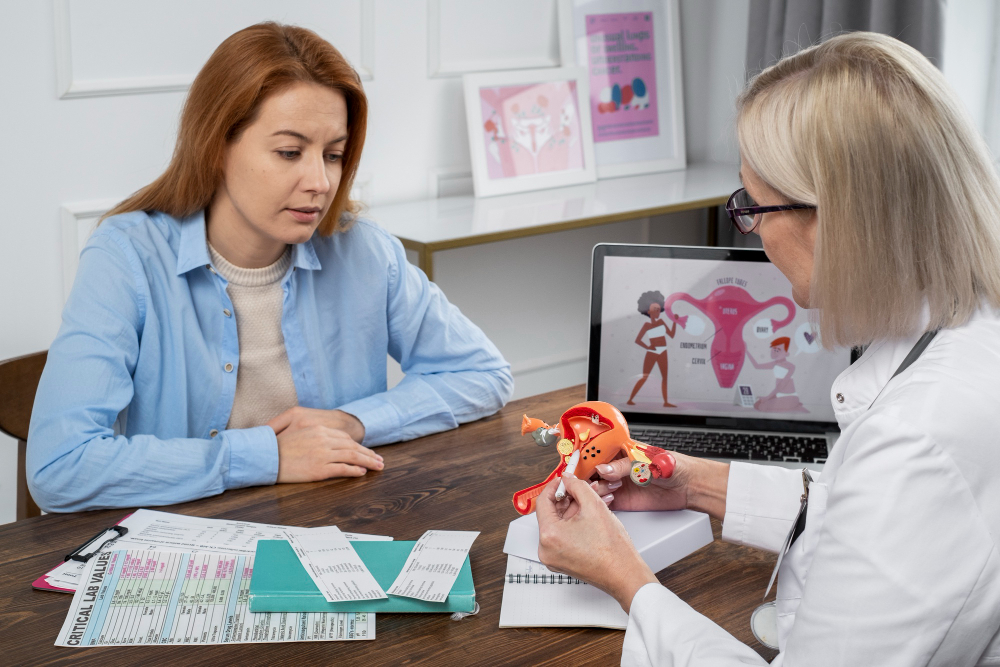
How to Choose the Right Fertility Center in Kerala for Your Parenthood Journey

Best IVF Treatment in Kerala: Affordable, Advanced & Trusted Care
Best IVF Centre in Kerala – How to Choose the Right Fertility Clinic
Top IVF Questions & Answers — A Trusted Guide
IVF Treatment in Kannur - Why NCARE IVF Is a Trusted Name in Fertility Care
How Reliable is Preimplantation Genetic Testing in 2025
Best Guide To The IUI Treatment Process For First-Time Patients

Book Appointment
To reach out to our NCareHospital Team, please fill in the below form.
Our team members will revert back to you shortly.
Copyright © NCare IVF