


Blogs
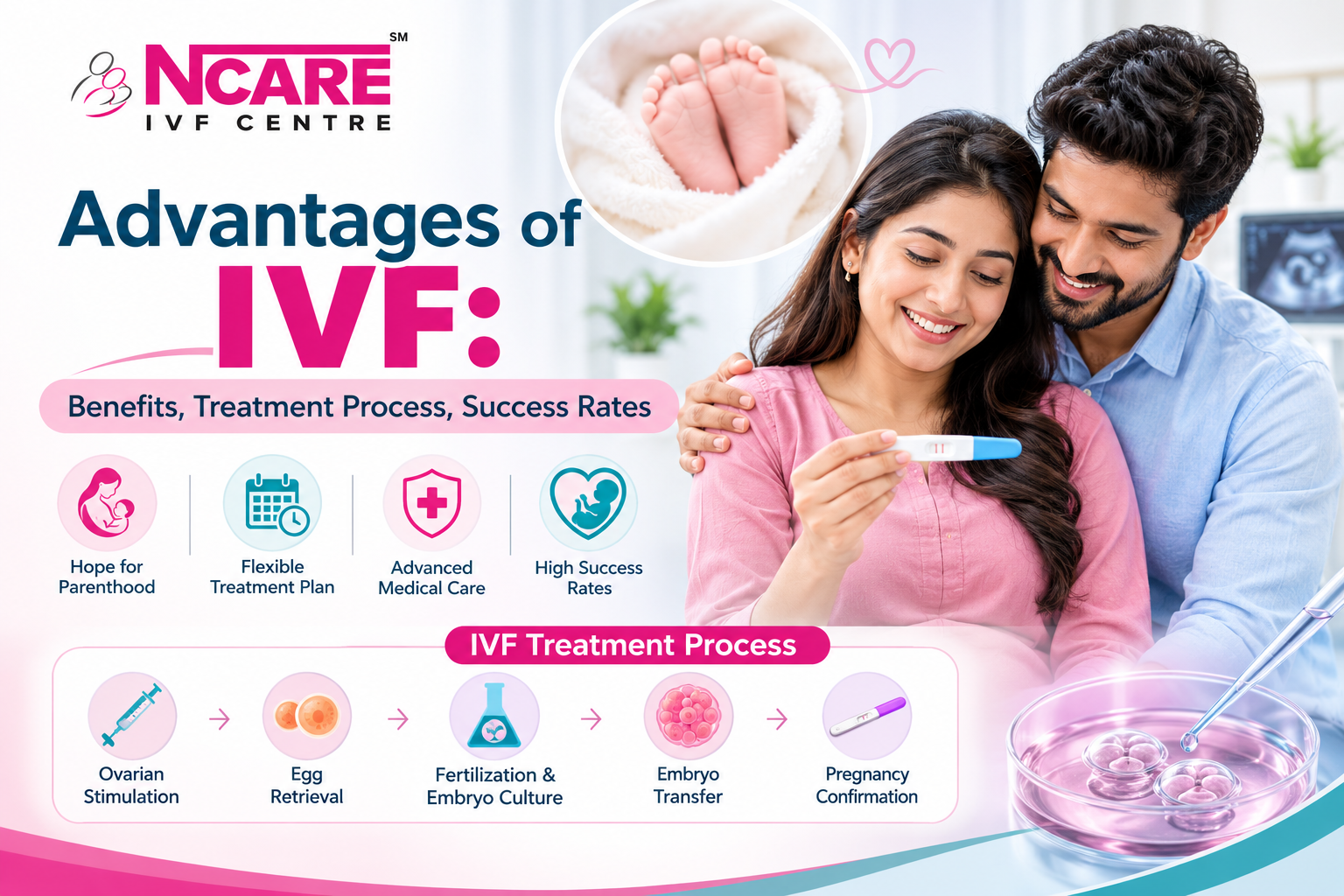
Advantages of IVF Treatment: Benefits, Treatment Process, Success Rates
Starting a family is one of the most important dreams for many couples. However, some couples experience difficulties getting pregnant naturally due to infertility, hormonal imbalances, blocked fallopian tubes, low sperm count or other reproductive health conditions. These challenges can make the journey towards parenthood stressful and emotionally difficult. Fortunately, modern fertility treatments offer new hope for couples who are struggling to conceive. One of the most widely used assisted reproductive technologies is In Vitro Fertilisation (IVF). Understanding the advantages of IVF can help couples learn how this treatment works, who can benefit from it and whether it is the right option for their fertility needs.
In this complete guide, we will explain the major benefits of IVF treatment, its procedure, success factors, possible risks and important things couples should know before starting their fertility journey.
What Is IVF Treatment?
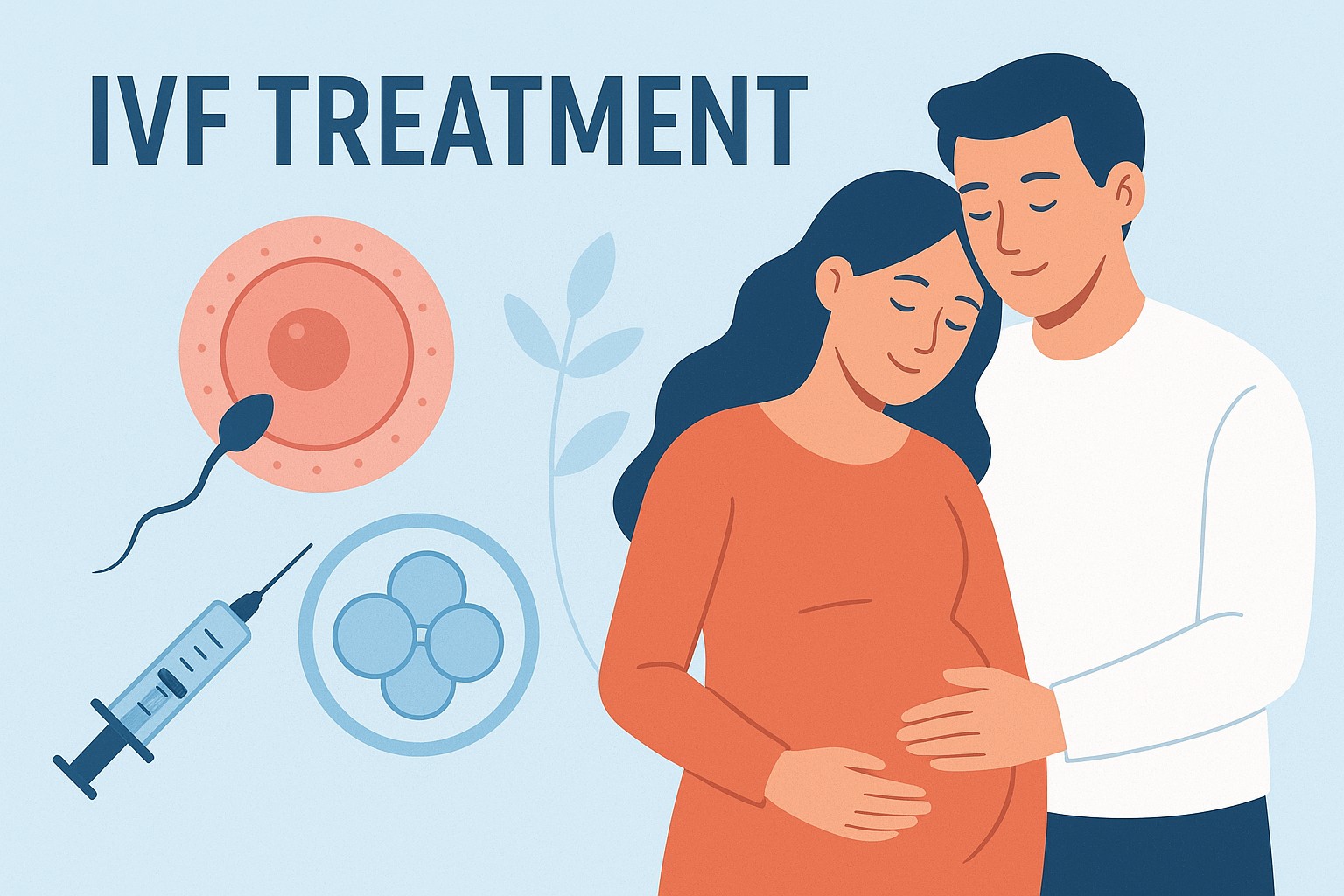
In Vitro Fertilisation (IVF) is an advanced fertility treatment that helps individuals and couples experiencing difficulties getting pregnant naturally.
The term in vitro means outside the living body. During IVF, eggs are collected from the woman's ovaries and combined with sperm in a specialised laboratory. After fertilisation, the developing embryos are monitored by embryologists. A suitable embryo is then transferred into the woman's uterus.
How Does IVF Treatment Work?
IVF treatment in Kerala involves several carefully planned steps. Each stage is monitored by fertility specialists and embryologists.
1. Initial Fertility Evaluation
The first step is a detailed fertility assessment. The doctor evaluates the reproductive health of both partners through medical history, blood tests, ultrasound scans and semen analysis.
2. Ovarian Stimulation
Fertility medications are given to stimulate the ovaries to produce multiple mature eggs instead of the single egg usually released during a natural menstrual cycle.
3. Egg Retrieval
Once the eggs are mature, they are collected from the ovaries through a minor procedure performed under appropriate medical supervision.
4. Sperm Collection
A sperm sample is collected from the male partner. It is processed in the laboratory to select suitable sperm for fertilisation.
In certain situations, doctors may recommend specialised sperm retrieval techniques when sperm cannot be obtained through normal ejaculation.
5. Fertilisation
The collected eggs and sperm are combined in a laboratory dish. In selected cases, the fertility specialist may recommend Intracytoplasmic Sperm Injection (ICSI), where a single sperm is injected directly into a mature egg.
6. Embryo Development
After fertilisation, embryos are monitored in the laboratory. Embryologists assess their development and identify suitable embryos for transfer.
7. Embryo Transfer
A selected embryo is transferred into the woman's uterus using a thin, flexible catheter. This procedure usually does not require surgery.
8. Pregnancy Test
A blood test is performed after the recommended waiting period to check whether pregnancy has occurred.
The complete IVF treatment process may take several weeks, depending on the treatment protocol and the patient's medical condition.
What Are the 10 Major Advantages of IVF?
IVF offers several benefits for couples who experience fertility difficulties. It provides treatment options for different reproductive conditions and allows specialists to manage fertilisation and embryo development in a controlled laboratory environment.
Let's understand the 10 important advantages of IVF treatment.
1. Helps Couples with Different Infertility Problems
One of the biggest benefits of IVF is that it can help couples experiencing different types of infertility. Infertility may occur due to problems affecting the female reproductive system, male reproductive health or both partners.
Some common fertility conditions for which IVF may be considered include:
- Blocked or damaged fallopian tubes.
- Low sperm count.
- Poor sperm motility.
- Ovulation disorders.
- Polycystic Ovary Syndrome (PCOS).
- Endometriosis.
- Diminished ovarian reserve.
- Unexplained infertility.
- Certain cases of recurrent pregnancy loss.
IVF provides an alternative when natural conception becomes difficult or when other fertility treatments have not been successful. However, the treatment approach depends on the underlying medical condition. A fertility specialist must evaluate both partners before recommending IVF.
2. Helps Women with Blocked Fallopian Tubes
Fallopian tubes play an important role in natural pregnancy. They carry the egg from the ovary towards the uterus and provide the usual location for fertilisation. When one or both fallopian tubes become blocked or severely damaged, sperm may not be able to reach the egg. This can make natural conception difficult.
IVF helps overcome this problem because fertilisation takes place outside the woman's body in a specialised laboratory.
After fertilisation, the resulting embryo is transferred directly into the uterus. Therefore, the fallopian tubes are not required for the fertilisation process. This makes IVF an important treatment option for women experiencing tubal-factor infertility.
3. Provides Treatment Options for Male Infertility
Male infertility is another common reason why couples may require fertility treatment. Problems such as low sperm count, poor sperm movement and abnormal sperm shape can affect the chances of natural fertilisation.
IVF, particularly when combined with Intracytoplasmic Sperm Injection (ICSI), can help selected couples experiencing male-factor infertility. During ICSI, an embryologist selects a suitable sperm and injects it directly into a mature egg using specialised equipment.
In some cases, doctors may recommend sperm retrieval procedures such as:
- Percutaneous Epididymal Sperm Aspiration (PESA).
- Testicular Sperm Aspiration (TESA).
- Testicular Sperm Extraction (TESE).
- Microdissection Testicular Sperm Extraction (Micro-TESE).
These sperm retrieval techniques may be considered when sperm cannot be obtained through normal ejaculation. ICSI can help overcome certain fertilisation difficulties. However, it does not guarantee embryo development or pregnancy.
4. Allows Embryo Development to Be Monitored
Another important benefit is that embryo development can be monitored in a laboratory. After fertilisation, embryologists observe embryos at different stages of development.
They evaluate factors such as:
- Number of cells.
- Cell division patterns.
- Embryo appearance.
- Development towards the blastocyst stage.
- Other laboratory observations.
This information helps fertility specialists select suitable embryos for transfer. Some advanced fertility laboratories also use specialised embryo-monitoring technologies to observe embryo development. However, embryo appearance alone cannot guarantee successful implantation or a healthy pregnancy. Several other factors influence the final outcome.
5. Provides Genetic Testing Options for Selected Couples
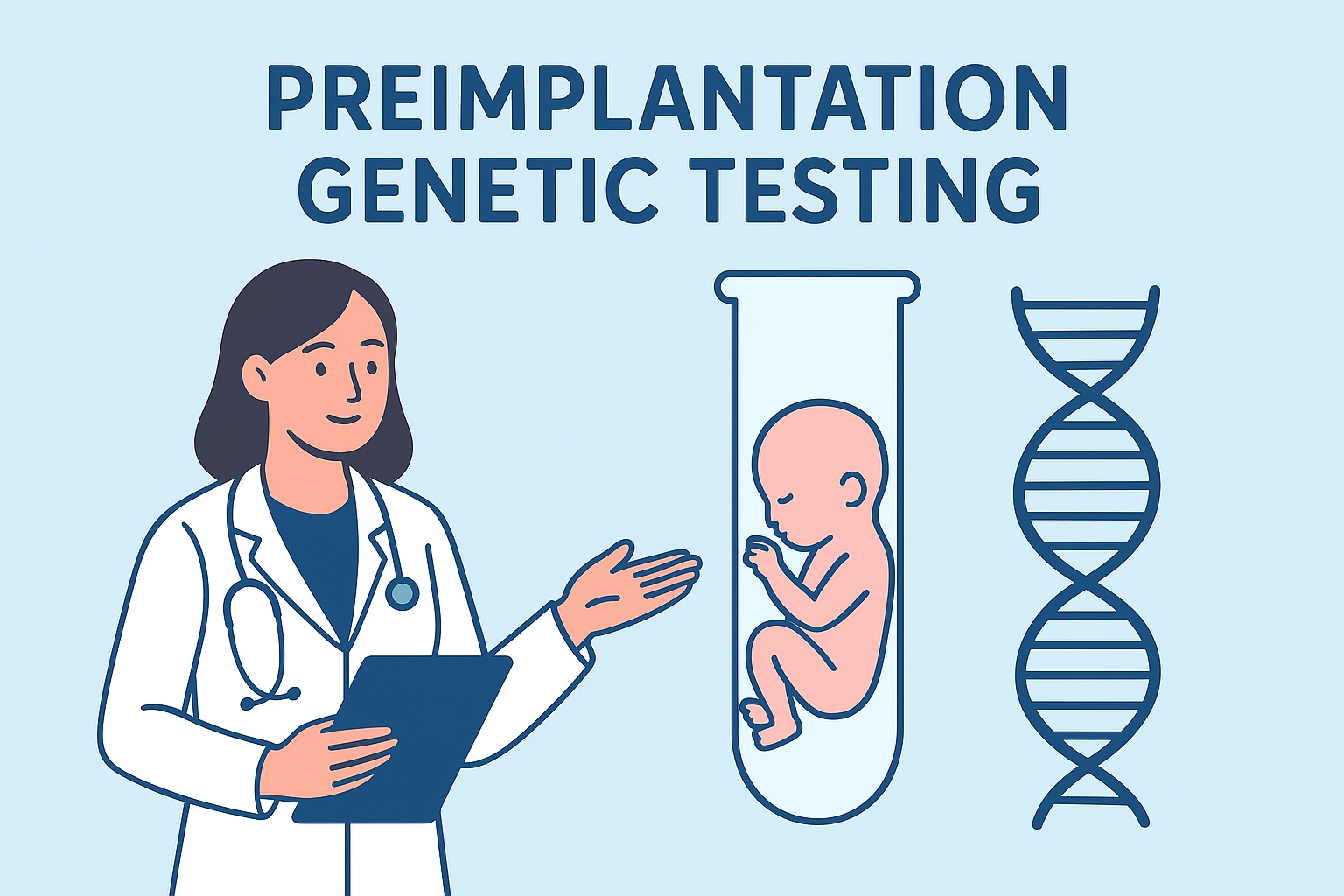
IVF can provide access to certain genetic testing procedures before embryo transfer. Preimplantation Genetic Testing (PGT) is used to examine embryos for specific genetic or chromosomal conditions.
There are three commonly discussed types of PGT:
- PGT-A: Examines embryos for chromosome number abnormalities.
- PGT-M: Checks for specific inherited single-gene conditions.
- PGT-SR: Identifies certain structural chromosome rearrangements.
Genetic testing may be considered for couples with a known genetic condition, a history of certain inherited disorders or specific reproductive indications. It is important to understand that PGT is not required for every IVF patient. It also cannot guarantee implantation, pregnancy or the birth of a healthy baby. The fertility specialist and genetic counsellor can explain whether this testing is appropriate for a particular couple.
6. Offers Egg and Embryo Freezing Options
IVF technology also provides opportunities for fertility preservation. Some women may want to delay pregnancy because of personal reasons, career plans or medical treatments that could affect their fertility.
Egg freezing allows mature eggs to be collected and stored for possible future use. Similarly, couples undergoing IVF may have additional suitable embryos that can be frozen and stored for future treatment cycles.
Some important benefits of fertility preservation include:
- 1. Preserving eggs for future fertility treatment.
- 2. Storing suitable embryos for possible future pregnancy attempts.
- 3. Reducing the need to repeat ovarian stimulation in certain future cycles.
- 4. Supporting women who need fertility preservation before certain medical treatments.
- 5. Providing additional family-planning options.
The egg freezing process generally involves ovarian stimulation, monitoring, egg retrieval, laboratory preparation and freezing of mature eggs. Women considering egg freezing in Kerala should discuss their age, ovarian reserve, expected egg numbers, treatment costs and future fertility plans with an experienced fertility specialist. However, freezing eggs or embryos does not guarantee a future pregnancy. The woman's age at the time of egg retrieval and the number and quality of stored eggs or embryos are important factors.
7. Helps Women Experiencing Age-Related Fertility Problems
A woman's fertility naturally changes with age. As women grow older, both egg quantity and egg quality generally decrease. This can make natural conception more difficult and increase the risk of chromosomal abnormalities and miscarriage.
IVF allows fertility specialists to assess ovarian reserve, retrieve available eggs and create embryos through laboratory fertilisation. It may provide an important treatment option for women experiencing age-related fertility difficulties. However, IVF cannot completely reverse the natural effects of ageing on egg quality. The woman's age at the time of egg retrieval remains one of the important factors influencing IVF success, particularly when using her own eggs. Early fertility evaluation can help women understand their reproductive health and available treatment options.
8. Provides an Option for Unexplained Infertility
Some couples experience difficulty getting pregnant even after undergoing several fertility investigations. In certain cases, doctors may not identify a clear reason for infertility. This condition is known as unexplained infertility.
Although routine investigations may show normal results, pregnancy may still not occur naturally. Depending on the woman's age, duration of infertility, previous treatment history and other medical factors, IVF may be recommended. IVF provides an opportunity to monitor fertilisation and embryo development under controlled laboratory conditions. It may be considered when other fertility treatments have not produced the desired results.
9. Provides More Flexible Family Planning Options
Another important benefit of IVF is that it offers different fertility treatment and preservation options. Depending on medical suitability and applicable regulations, these options may include:
- Frozen embryo transfer.
- Egg freezing.
- Embryo freezing.
- Donor egg treatment.
- Donor sperm treatment.
- Genetic testing in selected cases.
These procedures may help couples with different reproductive requirements. For example, a woman who needs medical treatment that could affect her ovarian function may consider egg or embryo freezing before starting treatment. Similarly, couples who have suitable frozen embryos from an earlier IVF cycle may be able to use them in a future treatment cycle without repeating the entire egg retrieval process.
10. Offers Hope After Unsuccessful Fertility Treatments
Some couples may try natural conception, Ovulation Induction Treatment or IUI without achieving pregnancy. Repeated unsuccessful fertility treatments can be emotionally challenging.
In such situations, IVF may offer another opportunity to achieve pregnancy. Before recommending IVF, the fertility specialist reviews previous treatment results, age, ovarian reserve, sperm quality and other medical factors. Based on this evaluation, the doctor develops a treatment plan suitable for the couple. For many couples, IVF provides another option in their journey towards parenthood.
How to Prepare for IVF Treatment?
Preparing for IVF is an important part of the fertility journey. Couples should understand their medical condition and follow the fertility specialist's instructions before starting treatment.
Some useful preparation steps include:
- 1. Complete Fertility Investigations: Both partners should undergo the recommended fertility tests.
- 2. Maintain a Healthy Weight: A healthy body weight can support reproductive health.
- 3. Eat a Balanced Diet: Include vegetables, fruits, whole grains, protein and other nutritious foods.
- 4. Avoid Smoking: Smoking may negatively affect egg and sperm quality.
- 5. Limit Alcohol: Discuss alcohol consumption with your fertility specialist.
- 6. Manage Existing Health Conditions: Conditions such as thyroid disorders and diabetes should be appropriately managed.
- 7. Take Prescribed Supplements: Follow medical advice regarding folic acid and other supplements.
- 8. Attend Regular Appointments: Follow the recommended schedule for scans, blood tests and fertility monitoring.
- 9. Seek Emotional Support: Discuss your concerns with your partner, doctor or a qualified counsellor.
Proper preparation can help couples feel more informed and confident throughout the treatment process.
Latest IVF and Infertility Statistics
Infertility is a significant global reproductive health concern affecting millions of individuals and couples. According to the World Health Organization (WHO), approximately one in six people of reproductive age experience infertility during their lifetime.
This highlights the importance of fertility awareness, early diagnosis and access to appropriate medical treatment. Some important fertility statistics are presented below.
| Fertility Statistics | Reported Information |
|---|---|
| Global infertility prevalence | Approximately 1 in 6 people |
| Average age of US patients using ART in 2022 | 36.3 years |
| US ART cycles resulting in live-birth delivery in 2022 | 37.5% |
| Single embryo transfers among US embryo transfers in 2022 | 85.9% |
These figures come from WHO global infertility estimates and CDC US assisted reproductive technology data. They should not be interpreted as Indian IVF success rates.
Who Can Benefit from IVF Treatment?
IVF may be recommended for couples experiencing different fertility problems.
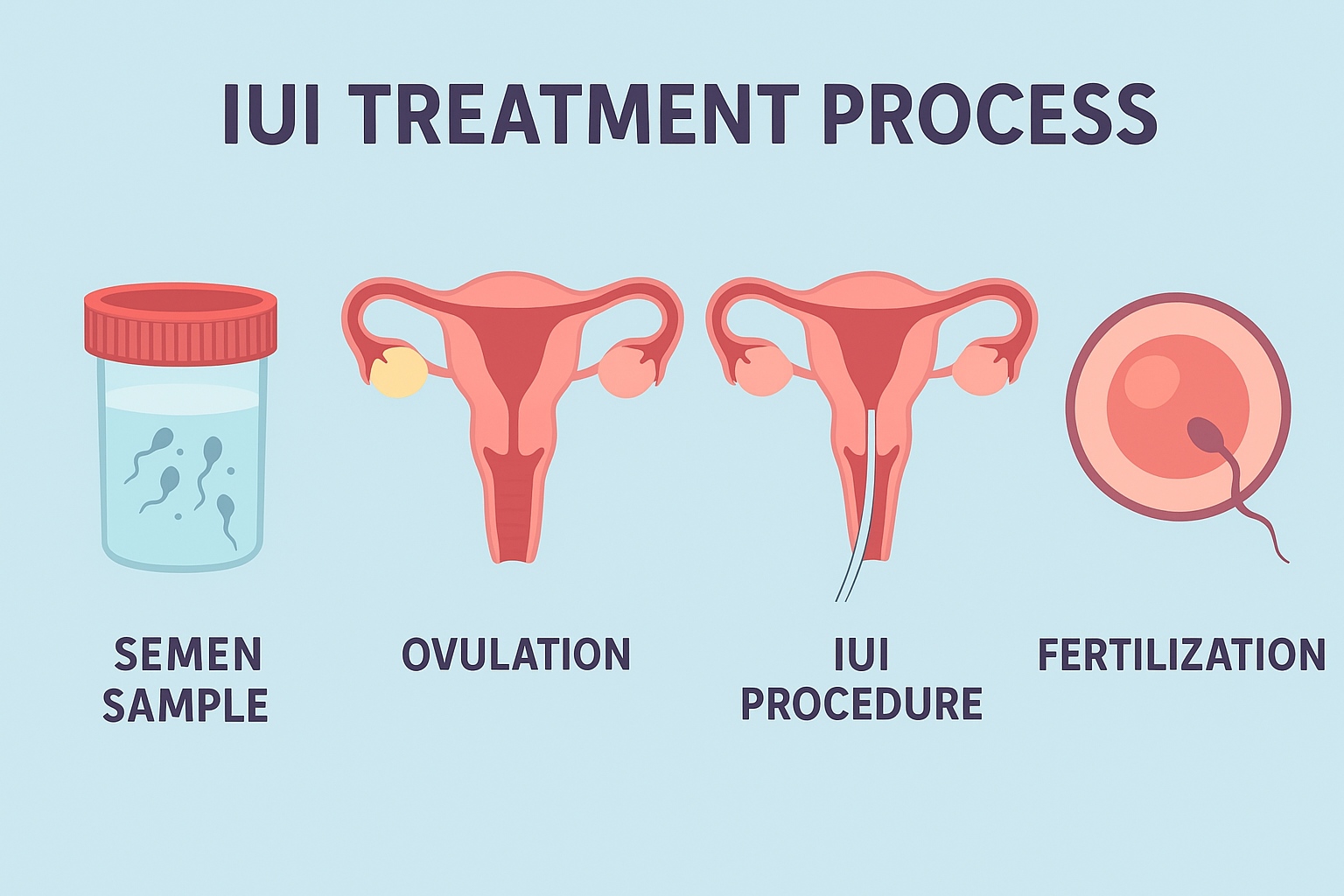
However, not every couple needs IVF. Some fertility conditions may be treated with medication, lifestyle changes, surgery or IUI Treatment Process. The following table explains some conditions in which IVF may be considered.
| Fertility Condition | How IVF May Help |
|---|---|
| Blocked fallopian tubes | Allows fertilisation outside the body |
| Male-factor infertility | ICSI may help with selected sperm-related problems |
| PCOS | Provides a treatment option when ovulation-related infertility persists |
| Endometriosis | May help when natural conception is difficult |
| Diminished ovarian reserve | Allows available eggs to be retrieved and fertilised |
| Unexplained infertility | May be considered after appropriate evaluation |
| Repeated unsuccessful IUI | Provides another fertility treatment option |
| Certain genetic conditions | Allows access to selected PGT procedures |
A fertility specialist will evaluate the couple's condition before deciding whether IVF is the most suitable treatment.
What Is the Difference Between IVF and IUI Treatment?
| Comparison | IVF Treatment | IUI Treatment |
|---|---|---|
| Full form | In Vitro Fertilisation | Intrauterine Insemination |
| Fertilisation | Takes place in a laboratory | Usually takes place inside the body |
| Egg retrieval | Required | Not required |
| Sperm preparation | Required | Required |
| Embryo development | Monitored in a laboratory | Takes place inside the body |
| Embryo transfer | Required | Not required |
| Treatment complexity | More complex | Less complex |
| Fallopian tube requirement | Open tubes are not required for fertilisation | At least one functional tube is generally required |
The choice depends on the couple's diagnosis, age and previous fertility treatment results.
How Does Age Affect IVF Success Rates?
Age is one of the most important factors influencing IVF outcomes, especially when using a woman's own eggs. As women get older, egg quality and quantity generally decrease. This can affect fertilisation, embryo development, implantation and the chances of achieving a live birth.
The following figures represent US national live-birth rates per Embryo Transfer in IVF using a woman's own eggs or embryos in 2022.
| Woman's Age | Live-Birth Rate per Embryo Transfer |
|---|---|
| Under 35 years | 42.8% |
| 35–37 years | 39.9% |
| 38–40 years | 34.9% |
| 41–42 years | 27.7% |
| Over 42 years | 12.0% |
These are population-level statistics, not individual predictions. Actual IVF outcomes vary depending on egg quality, sperm quality, embryo development, medical history and treatment protocols.
Questions to Ask Before Starting IVF
Starting fertility treatment is an important decision. Couples should understand the treatment process, possible outcomes and costs before beginning an IVF cycle.
Here are some important questions before starting IVF:
- 1. What is the main cause of our infertility?
- 2. Is IVF the most suitable treatment for our condition?
- 3. Should we try IUI or ovulation induction first?
- 4. What fertility investigations are required?
- 5. What is the expected IVF success rate for our age and medical condition?
- 6. Will we need ICSI or any additional laboratory procedures?
- 7. Is Preimplantation Genetic Testing recommended in our case?
- 8. How many days will the IVF treatment process take?
- 9. What are the complete treatment costs?
- 10. Are egg freezing or embryo freezing options available?
- 11. What are the possible side effects and complications?
- 12. What happens if the first IVF cycle is unsuccessful?
Discussing these questions with your doctor can help you make informed decisions and understand what to expect during treatment.
Conclusion
IVF has become an important fertility treatment for couples experiencing difficulties getting pregnant naturally. It provides several benefits, including helping women with blocked fallopian tubes, supporting selected cases of male infertility, allowing embryo development to be monitored and offering fertility preservation options.
The advantages of IVF also include opportunities for couples experiencing unexplained infertility and those who have not achieved pregnancy through other fertility treatments. However, IVF is not a guaranteed solution for every fertility problem. Treatment outcomes depend on several factors, including the woman's age, egg quality, sperm health, embryo development, uterine health and overall medical condition.
Frequently Asked Questions (FAQs)
1. What are the main advantages of IVF?
The main benefits include helping couples with infertility, overcoming blocked fallopian tubes, supporting selected male-factor infertility cases, monitoring embryo development and providing egg and embryo freezing options.
2. Is IVF better than natural pregnancy?
IVF is not necessarily better than natural pregnancy. It is a medical treatment designed to help couples who experience difficulties conceiving naturally. The most suitable option depends on the underlying fertility problem.
3. What is the success rate of IVF?
IVF success rates depend on the woman's age, egg quality, sperm quality, embryo development and other medical factors. Younger women generally have better outcomes when using their own eggs.
4. Is IVF safe for women?
IVF is generally considered safe when performed under proper medical supervision. However, fertility medications and procedures may cause side effects and complications, including ovarian hyperstimulation syndrome and multiple pregnancy.
5. Can IVF help women with PCOS?
Yes. IVF can help women with PCOS who experience ovulation problems or infertility. Fertility specialists carefully monitor ovarian stimulation to reduce the risk of complications.
6. Can IVF work with low sperm count?
Yes. IVF combined with ICSI may help couples experiencing certain male-factor fertility problems, including low sperm count and poor sperm motility.
7. How many days does IVF treatment take?
An IVF treatment cycle commonly takes around three to six weeks, although the duration varies depending on the treatment protocol, embryo freezing and individual medical requirements.
8. Is IVF painful?
Most IVF procedures are manageable with appropriate medical support. Some women experience mild discomfort, bloating or cramping during ovarian stimulation and after egg retrieval.
Recent Blogs
Fallopian Tube Blockage Treatment: Causes, Symptoms, Diagnosis, and Best Treatment Options
What Is Embryo Transfer in IVF? A Step-by-Step Guide
Test Tube Baby Treatment: Procedure, Success Factors, and Care

How to Avoid Ectopic Pregnancy: Expert Tips for a Healthy Pregnancy

How to Track Ovulation: Simple Ways to Find Your Fertile Days
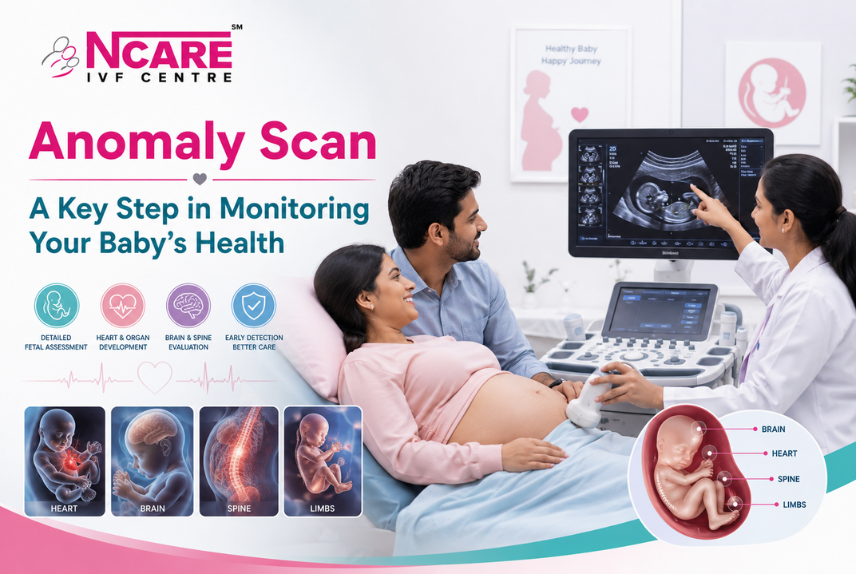
Anomaly Scan: A Key Step in Monitoring Your Baby’s Health
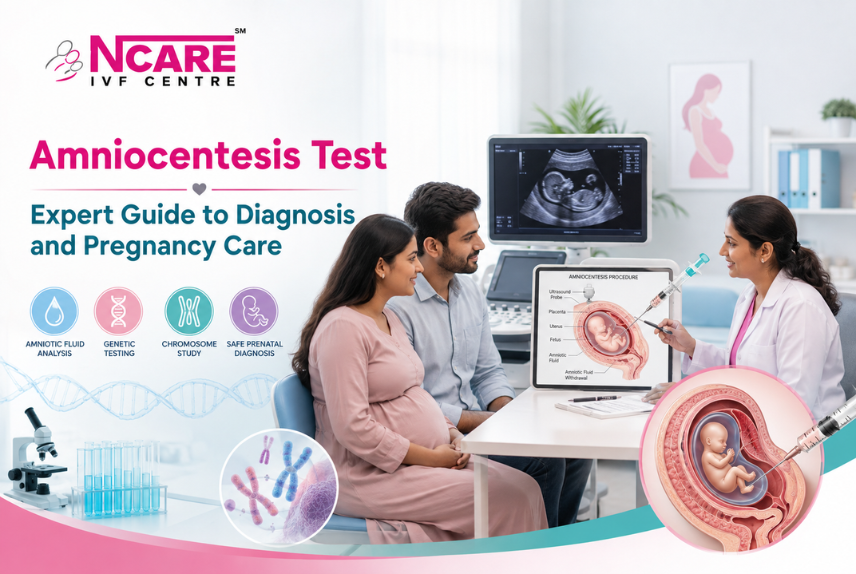
Amniocentesis Test: Expert Guide to Diagnosis and Pregnancy Care
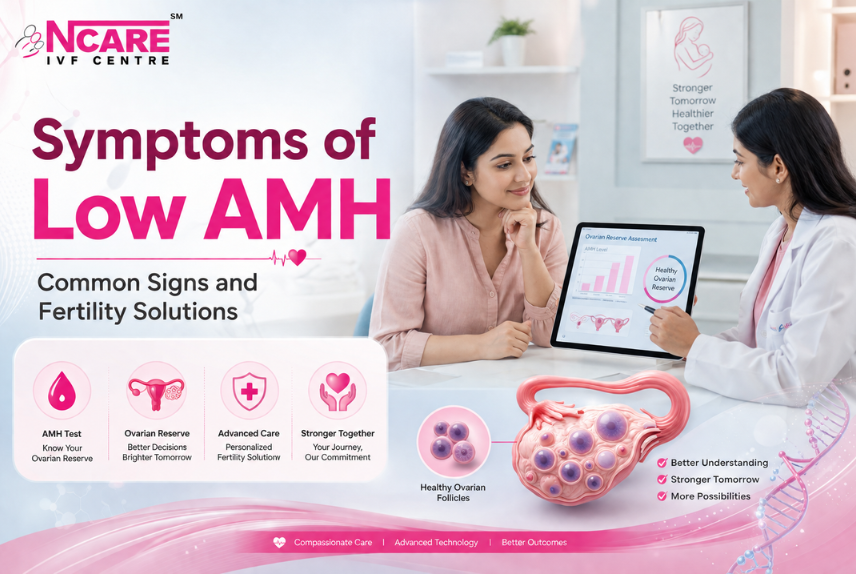
Symptoms of Low AMH: Common Signs and Fertility Solutions
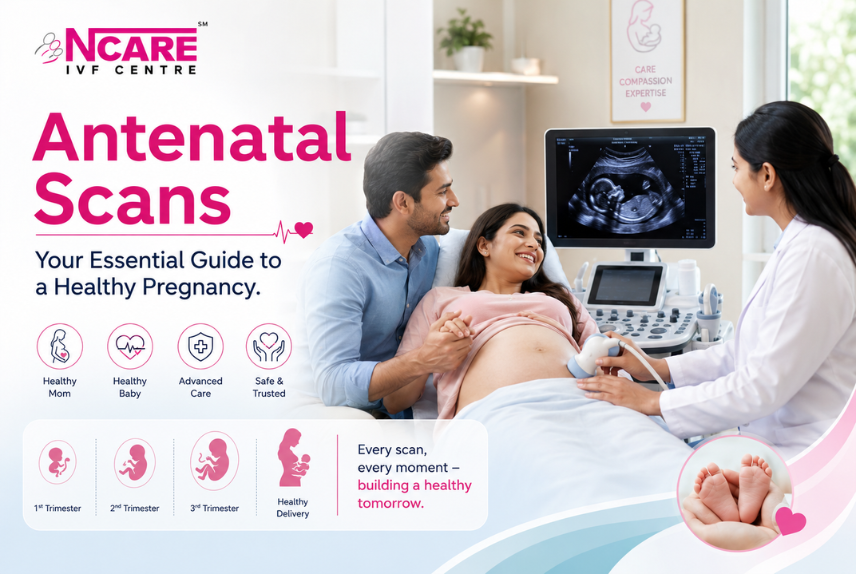
Antenatal Scans: Complete Guide to Types, Importance, Safety & Pregnancy Care
Aneuploidy Screening: Complete Guide to Testing, Procedure, Cost & Pregnancy Care
Egg Freezing Process: Complete Step-by-Step Guide for Women in 2026
PCOS Fertility Treatment: How to Overcome Infertility with PCOS
IVF Pregnancy Calculator Free – Instant Results & Easy to Use
Recurrent Pregnancy Loss: Causes, Tests & Best Treatment Options (2026 Guide)
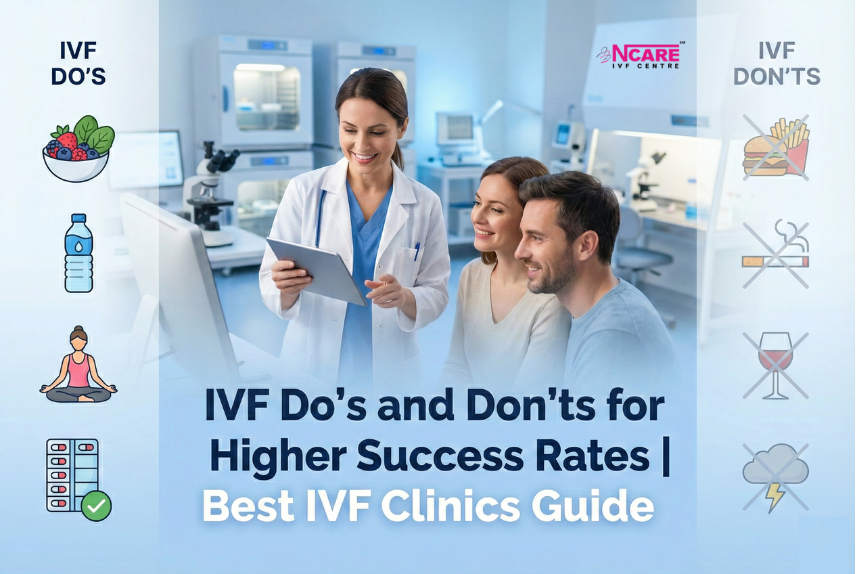
IVF Do’s and Don’ts for Higher Success Rates | Best IVF Clinics Guide

Best IVF Hospital in Kerala: IVF, IUI & Advanced Fertility Care
What Is Ovulation Induction Treatment?

How to Choose the Right Fertility Center in Kerala for Your Parenthood Journey

Best IVF Treatment in Kerala: Affordable, Advanced & Trusted Care
Best IVF Centre in Kerala – How to Choose the Right Fertility Clinic
Top IVF Questions & Answers — A Trusted Guide
IVF Treatment in Kannur - Why NCARE IVF Is a Trusted Name in Fertility Care
How Reliable is Preimplantation Genetic Testing in 2025
Best Guide To The IUI Treatment Process For First-Time Patients

Book Appointment
To reach out to our NCareHospital Team, please fill in the below form.
Our team members will revert back to you shortly.
Copyright © NCare IVF